Things to Do in Lilongwe in April
April weather, activities, events & insider tips
Low Season · Budget Friendly
April Weather in Lilongwe
Long-run averages for April
78°F (25°C)
High Temp
58°F (14°C)
Low Temp
1.7 inches (43 mm)
Rainfall
76%
Humidity
12
Sunny-Day UV
⚠ Malaria risk remains elevated through April as standing water from the wet season sustains mosquito breeding populations throughout Lilongwe, in lower-lying areas near the river. Antimalarial prophylaxis, DEET repellent, and treated bed nets are essential, not optional. Take this seriously. No exceptions.
⚠ Brief but intense afternoon thunderstorms can still strike in early-to-mid April, sometimes with enough force to cause localized flooding on unpaved roads and temporarily shut down outdoor markets. Carry your rain jacket and avoid scheduling critical transport during the 2 PM to 5 PM window if skies look heavy. Watch the clouds. Plan accordingly.
Is April Right for You?
Weigh the advantages and considerations before booking
Advantages
- + The heavy rains that hammer Lilongwe from December through March drop sharply in April, from over 5 inches (127 mm) in March to just 1.7 inches (43 mm). The city is still draped in its lushest green of the year. The jacaranda canopy along the avenues between Old Town and City Centre. The wild grasses flanking the Lilongwe River. The msasa trees flushing copper and gold as the season turns. You get the visual payoff of the wet season without the daily soakings that make January and February feel relentless.
- + Lilongwe sits at roughly 1,050 m (3,440 ft) on the Central African Plateau, and that altitude keeps April temperatures remarkably pleasant. Afternoons hover around 25 degrees C (78 degrees F). Warm enough for a cotton shirt. Never the oppressive heat that chokes lowland African cities in the same latitude. Evenings slip to 14 degrees C (58 degrees F), cool enough that locals pull on fleeces and the air carries the faint woodsmoke scent of charcoal braziers firing up across the residential areas. You can walk the Old Town markets all morning without wringing out your collar.
- + April is firmly low season for tourism in Malawi. The Lilongwe Wildlife Centre trails are yours to share with vervet monkeys instead of tour groups. Lodges around Lake Malawi have genuine availability. Operators are more willing to negotiate on guided excursions. If you are the type who would rather have a forest trail and a lakeshore largely to yourself, this is your month.
- + The tobacco auction season typically opens at Kanengo, Lilongwe's warehouse district, in late April. Tobacco is the country's single largest export, and the auction opening is an event that defines the city's economic calendar. Walking the Kanengo floors when the season kicks off is a sensory encounter no guidebook can replicate: the sweet, earthy scent of cured burley leaf stacked in chest-high bales, the auctioneer's rapid chant bouncing off concrete walls, farmers in their best clothes watching their entire year's income decided in seconds. It is commerce as theatre. Lilongwe is one of the few places on earth where you can still witness it.
Considerations
- − Mosquitoes are still active from the tail of the wet season. Standing water in low-lying neighborhoods near the Lilongwe River means breeding sites persist well into April, and malaria prophylaxis is non-negotiable. You will need DEET-based repellent, treated bed nets, and a prescription antimalarial started before departure. This is the single most important health consideration for visiting Lilongwe in any wet-season month.
- − Unpaved roads outside the city can still carry ruts and mud from the preceding months of downpour, on the secondary routes toward Dedza or the turn-offs approaching Senga Bay on Lake Malawi. A standard sedan handles the main M1 and M14 highways without issue. Secondary roads in early April may demand decent ground clearance. You need a driver who knows where the puddles hide sinkholes.
- − Lilongwe's tourist infrastructure is modest compared to Nairobi or Dar es Salaam. Dining options thin out after dark. Power cuts are a normal part of daily life rather than an emergency. You will not find the polished service apparatus of a well-touristed East African capital. That rawness is part of the appeal for a certain kind of traveler. It catches others off guard. anyone arriving straight from a Kenyan safari lodge.
Best Activities in April
Top things to do during your visit
April marks the hinge between Malawi's wet season and the long dry months ahead. The rains that drench Lilongwe through January, February, and March ease dramatically, average rainfall drops to just 43 mm, a fraction of March's 127 mm, and the city exhales. Mornings open cool, around 14°C, with a thin mist hovering above the Lingadzi River before the air warms to a comfortable 25°C by midday. The landscape still carries its wet-season saturation: flame trees hold their last red blossoms, bougainvillea tangles over compound walls in shades of magenta and coral, and the tobacco fields on Lilongwe's outskirts glow an almost electric green. This is the tail end of the lush season, and the city looks its best before the dry months slowly bleach the countryside. The rhythm of daily life in Lilongwe shifts in April. Vendors at the large Lilongwe Main Market, a sensory maze of dried fish stacked in silver-scaled pyramids, the sweetness of ripe mangoes mixing with the sharp bite of ground chilli, and the ceaseless chatter of haggling in Chichewa, set up earlier now that mornings are drier. In the Old Town, where most of the city's commercial energy concentrates along unpaved roads that finally firm up after months of mud, locals move with a lightness that comes from no longer dodging afternoon downpours. Evenings cool quickly, and the smell of charcoal-grilled chambo drifts from roadside braziers as the sun drops behind the Bunda Hills. For anyone wondering whether Lilongwe is safe to explore on foot, the answer is straightforward: the central districts around City Centre and the Old Town are walkable during daylight, and the city's compact layout means most points of interest sit within a short drive of each other. Nightlife centres on a handful of bars and hotel lounges in Area 43 and along Paul Kagame Road, where live Afro-pop bands play on weekends and cold Green Malawi lagers sweat in the warm air. Dining options range from rooftop spots serving grilled tilapia with nsima to Korean and Indian restaurants tucked into shopping plazas, the food scene is small but genuine, and the best meals come from places where the kitchen smells like woodsmoke and fresh tomato relish. What sets April apart from the peak dry season later in the year is access. The roads to Lake Malawi, Blantyre, and the northern highlands around Mzuzu remain passable but far less trafficked than during the June-to-October tourist window. Accommodation is easier to find, and the few organised tours operating in Lilongwe run at lower capacity, which means more personal attention from guides who know the city's layers, its colonial-era Capital Hill district, its spreading informal markets, and the surprising pockets of woodland where hornbills call from fig trees. It is the month of quiet, unhurried discovery, when the city belongs to the people who live there.

Lilongwe City Tour (full day)
day_tripThe Lilongwe City Tour covers the full sweep of Malawi's capital in a single day, threading through the divided personality of a city built in two halves, the low-slung, red-earth energy of the Old Town, where tailors pedal Singer sewing machines under corrugated-iron awnings and the air tastes of roasting groundnuts, and the wide, jacaranda-lined avenues of the New Town around Capital Hill, where government buildings sit behind whitewashed walls in near silence. The tour takes in the Parliament Building, the Lilongwe Wildlife Centre, a forested sanctuary where rescued baboons bark from the canopy and you can walk close enough to hyenas to hear their rough, shuffling breath, and the central market, where the density of colour and sound rewards every minute spent navigating its narrow aisles.
This is the most efficient way to understand Lilongwe's split geography and layered history without spending days orienting yourself between its scattered neighbourhoods.
Insider tip: Ask your guide to stop at the tobacco auction floors near the Old Town if they are still active in late April, the scale of the operation is staggering, and the sharp, woody smell of cured leaf fills the entire block.
This month: April's reduced rainfall means the unpaved roads in the Old Town are firmer and less rutted than during the peak wet months, making the tour more comfortable and allowing stops that can be difficult to reach in February or March.

Private transfer from Lilongwe, Malawi to Lake Malawi, Blantyre, or Mzuzu
transportThe private transfer from Lilongwe to Lake Malawi, Blantyre, or Mzuzu turns what can be a gruelling minibus journey into a comfortable, narrated drive through some of the most striking scenery in southern Africa. The route to Lake Malawi, typically via Salima, descends from Lilongwe's plateau through miombo woodland where the air smells of warm dust and dry grass, until the lake suddenly appears below, an inland sea so vast its far shore dissolves into haze. Heading south to Blantyre, the road climbs through tea-estate country near Thyolo, where terraced hillsides glow emerald under cloud shadow. The northern route to Mzuzu crosses the Viphya Plateau, a high-altitude pine forest where the temperature drops noticeably and the silence between the trees feels almost physical.
Malawi's intercity roads demand local knowledge, potholes, police checkpoints, and unmarked junctions are part of the landscape, and a private driver eliminates the stress while adding context to every kilometre.
Insider tip: If heading to Lake Malawi, request a stop at the Dedza Pottery workshop en route, it sits just off the M1, the ceramics are handmade on-site, and the brief detour breaks the drive at its midpoint.
This month: April's drier roads mean fewer washouts and shorter travel times compared to the January-through-March rainy season, when sections of the M1 and M5 can slow to a crawl.

Cultural Tour of Lilongwe (Malawi)
guided_experienceThe Cultural Tour of Lilongwe strips away the city's workaday surface and pulls you into the practices that most visitors never see, traditional healers laying out roots and bark at their consulting stations in the Old Town, the sharp herbal scent rising from their displays. Potters in Lilongwe's peri-urban villages shaping red clay with their hands while children watch from doorways. And conversations with local artisans who explain the symbolism woven into Malawian chitenge fabric, each pattern carrying meaning tied to proverbs, marriage, or mourning. This is not a sightseeing loop but a guided immersion, moving at the pace of the communities you visit, with enough time to sit, listen, and ask questions that a bus tour would never allow.
Lilongwe's cultural layers are invisible from the main roads, this tour is the only structured way to access the craft traditions and neighbourhood life that define the city beyond its commercial centres.
Insider tip: Wear shoes you can slip off easily, as you will be invited into homes and community spaces where removing footwear at the threshold is expected and appreciated.
Where to Stay in Lilongwe in April
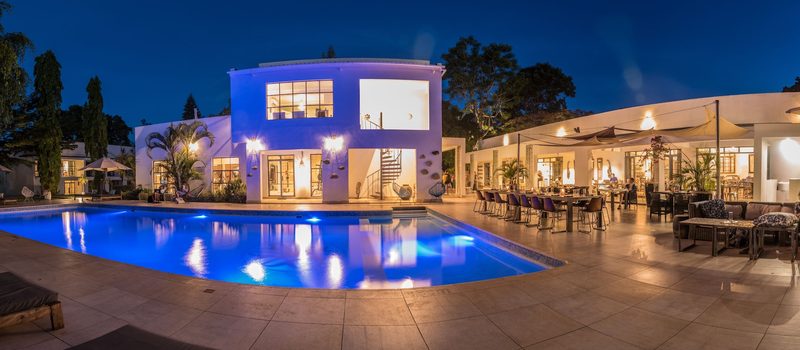
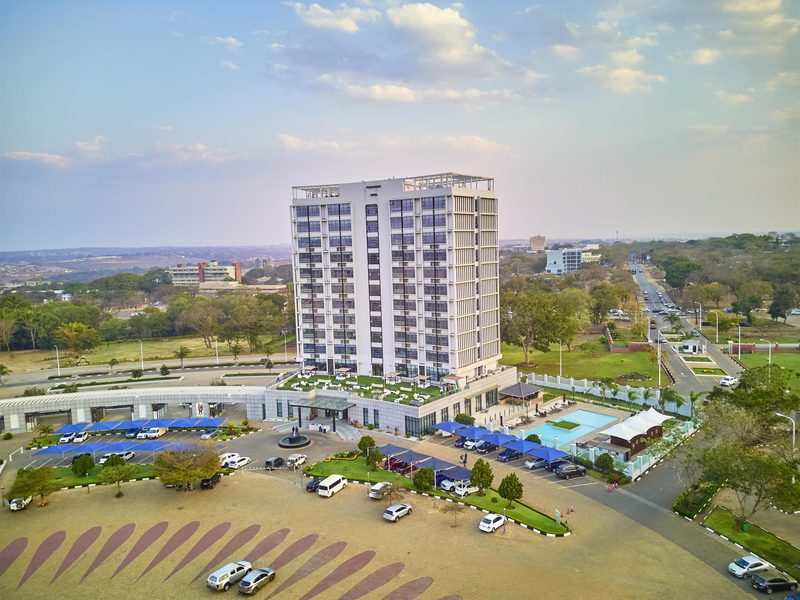
Hand-picked hotels across price tiers for April travellers.
Public Holidays in April
Dates that affect opening hours, transport and crowds
Good Friday
Observed nationwide as a public holiday.
Easter Monday
Observed nationwide as a public holiday.
Packing Checklist
Bookmark this page — your progress is saved between visits
Need the full list with shopping links?
Climate-specific gear, brand recommendations, and what to leave at home.
View Lilongwe Packing List →Essential Tips
Insider knowledge and common pitfalls to avoid
Insider Knowledge
Lilongwe's Old Town and City Centre feel like two separate cities. The Lilongwe River divides them. So do about three decades of planning philosophy. Most first-time visitors stay in the City Centre near embassies and malls. They never cross into Old Town. That is a mistake. The food is more honest. The people are less guarded around foreigners. One morning wandering Lizulu Market stalls teaches you more about Malawian daily life than a week on the City Centre side. Cross the river early. Stay until lunch.
Evenings cool faster than tropical visitors expect. That 1,050 m (3,440 ft) altitude is easy to forget in warm afternoon sun. Once the sun drops below the horizon, temperature falls quickly. Locals switch to jackets and fleeces at sunset as a matter of course. If you sit at an outdoor table past 7 PM, you will want a layer. The chill has a damp edge in April. It gets into your bones.
Leave Lilongwe by 6 AM for Lake Malawi day trips. The M14 through Salima picks up heavy truck traffic after mid-morning. Early departure gives you the lakeshore in quiet golden light. Midday glare flattens everything later. Fishermen haul their nets in the first hour after dawn. Watch the cooperative rhythm of hauling. Watch the silver flash of chambo in the mesh. Watch the smoke from the drying fires. Worth the early alarm.
Learn three phrases in Chichewa. The texture of your interactions changes completely. 'Moni' for hello. 'Zikomo' for thank you. 'Muli bwanji?' for how are you. Malawians earned the nickname 'The Warm Heart of Africa' honestly. Greeting someone in their own language shifts the dynamic. Polite tolerance becomes genuine warmth. You will be corrected on pronunciation with laughter, not judgment. That is the beginning of an actual conversation.
Avoid These Mistakes
Do not skip malaria prophylaxis because April feels like dry season. The rains may taper. Standing water and mosquito populations remain elevated from preceding wet months. Lilongwe's lower-lying areas near the river and Nature Sanctuary stay active breeding grounds. April is not the time to gamble on your immune system.
Avoid Lake Malawi day trips by public minibus. Minibuses from Lilongwe's main bus station to Salima are cheap. They leave only when every seat fills. They stop for passengers constantly. A two-hour drive stretches into five uncertain hours. For a day trip with actual lake time, choose a private vehicle or organized transfer. This is not a luxury. It is the difference between seeing the lake and spending your day on a roadside.
Do not expect Lilongwe to run on fixed, posted schedules. Restaurant hours are approximate. Shops close when owners decide they are done. 'Open at nine' is a suggestion, not a contract. This is not disorganization. It is a different operating rhythm. Build slack into your day. Let plans flex. You will find the city far more enjoyable than if you force a European itinerary upon it.
Ready to plan your trip to Lilongwe?
Now that you've got the research covered, here's where to go next.
Explore More Activities in Lilongwe
Didn't see anything interesting yet?
Browse Viator's full catalog of tours, day trips, food experiences, and private guides in Lilongwe.
See All Lilongwe Tours on Viator