Things to Do in Lilongwe in July
July weather, activities, events & insider tips
Low Season · Budget Friendly
July Weather in Lilongwe
Long-run averages for July
72°F (22°C)
High Temp
47°F (8°C)
Low Temp
0.0 inches (0 mm)
Rainfall
53%
Humidity
9
Sunny-Day UV
⚠ Morning frost is possible in low-lying areas around Lilongwe in July, in the river valleys outside the city centre. Roads can be slippery at dawn. Drivers unfamiliar with the conditions sometimes misjudge stopping distances on the thin ice that occasionally forms on windshields. Drive slowly. Leave early.
⚠ Grass fires are common in the surrounding countryside as farmers begin early dry-season land clearing. Smoke can occasionally drift over the city and reduce air quality for a day or two. It rarely reaches the severity of the September and October burning season. Carry water. Expect haze.
Is July Right for You?
Weigh the advantages and considerations before booking
Advantages
- + Bone-dry skies with zero rainfall make July the most reliable month for outdoor plans anywhere in Lilongwe. You can leave the rain jacket at home and count on uninterrupted days from sunrise to well past sundowner hour.
- + Humidity drops to 53 percent, the lowest stretch of the year, which makes Lilongwe's plateau altitude feel comfortable rather than the sticky heaviness that settles over the city from December through March. Mornings carry a crispness that surprises first-timers.
- + July falls squarely in the dry-season trough for visitor numbers. The wildlife reserves around Lilongwe are accessible on hardened roads, lodges outside the capital have availability without months of advance booking, and the major sites in and around the city feel unhurried.
- + Clear winter skies mean sharp, golden light from around 6 AM through to late afternoon, which makes the landscape around Lilongwe, from the Bunda Hills to the miombo woodland on the city's edges, look its photographic best. Dust haze is still manageable this early in the dry season, unlike September when controlled burns cloud the horizon.
Considerations
- − Nights get cold. At 47°F (8°C), Lilongwe after dark feels nothing like the tropical Africa most visitors expect. Budget guesthouses and older lodges rarely have heating, and a surprising number don't supply adequate blankets. You will want layers and a fleece for evenings.
- − July is the heart of the dry season, and Lilongwe's green spaces turn straw-brown. The lush, flowering version of the city that appears in rainy-season photographs is months away. The Lilongwe River itself runs low, and the surrounding countryside looks scorched rather than inviting.
- − Shorter daylight hours mean the sun drops below the horizon before 5:45 PM, cutting into late-afternoon plans. Combined with the cold evenings, the window for comfortable outdoor dining or evening walks is narrow compared to warmer months.
Best Activities in July
Top things to do during your visit
July settles over Lilongwe like a long, quiet exhale. The rains that drenched the capital from December through March are months gone, and the city sits in the coolest, driest stretch of its year. Morning temperatures dip to around 8°C, cool enough that locals wrap themselves in thick chitenje cloth on their way to the Tsoka and Area 25 markets, breath visible in the pale dawn light. By midday the air warms to a comfortable 22°C under skies so blue they look almost painted. There is zero rainfall in July, not a trace, and the low humidity strips the atmosphere of its usual tropical weight, leaving everything sharper-edged: the red laterite roads, the jacaranda canopies bare and skeletal between their famous purple blooming seasons, the dry rustle of msasa leaves underfoot in the Old Town. This dry-season clarity reshapes what Lilongwe feels like to walk through. The Lingadzi River, which carves through the city between Old Town and the newer Capital Hill district, runs low and slow, its banks exposed and cracked. Dust hangs in the air near the Kamuzu Central Hospital roundabout during afternoon traffic, tasting faintly mineral. Street vendors along the M1 highway sell roasted maize and charcoal-blackened cassava, the smoky sweetness drifting across lanes. Lilongwe's nightlife, concentrated around Area 47 and the bars along Paul Kagame Road, takes on a different character in July: people linger outdoors longer, the cool evening air making the cramped interiors of clubs less necessary. Restaurants in the Capital City district serve nsima with dried fish more often now, the lake catch preserved during the cooler months when smoking fires burn steadily behind kitchen walls. For anyone wondering what to do on a weekend in Lilongwe, July's dry conditions and moderate temperatures make it the single best window for spending full days on foot, exploring the Old Town's compressed grid of market stalls, craft sellers, and food vendors without the mud and downpours that define the wet months.

Lilongwe City Tour (full day)
day_tripThe Lilongwe City Tour covers the full sweep of the capital in a single day, moving between Old Town's dense, noisy market quarter and the wide governmental boulevards around Capital Hill. The tour passes through the Lilongwe Wildlife Centre, where you can hear the guttural calls of hyenas and the sharp chatter of vervet monkeys in a miombo woodland sanctuary set improbably inside city limits. From there the route threads through tobacco auction floors, silent in July, outside the selling season. But still smelling of cured leaf and old burlap, then into the craft market near the post office, where carved wooden chairs and ironwork catch the afternoon light.
A single-day circuit that stitches together the two cities Lilongwe is, the compressed, aromatic chaos of Old Town and the planned, spacious formality of the government quarter, with a local guide who bridges the gap.
Insider tip: Ask your guide to include a stop at the Area 3 food stalls for a plate of chambo with nsima around midday. The tour's pace allows it, and the fish is freshest before the lunch rush clears the vendors out.
This month: July's zero rainfall and comfortable daytime temperatures around 22°C mean the entire tour can be done on foot during market segments without the mud and sudden downpours that make the wet-season version a logistical challenge.

Private transfer from Lilongwe, Malawi to Lake Malawi, Blantyre, or Mzuzu
transportThis private transfer connects Lilongwe to the three destinations most visitors eventually reach: Lake Malawi's lakeshore lodges (roughly three to four hours east on the M14), Blantyre's commercial center and Mount Mulanje access to the south, or Mzuzu and the northern lakeshore. The drive east toward the lake descends from the central plateau through tobacco and maize farmland, the fields stubbled and golden-brown in July's dry season, with the Rift Valley escarpment dropping sharply before the first glint of the lake appears, an enormous, pale-blue sheet stretching to the Mozambican shore. The route south to Blantyre passes through Dedza, where roadside pottery stalls display red-clay pots still warm from the kiln, and the air smells of wood smoke and freshly turned earth.
Lilongwe is the gateway, not the destination for most travelers in Malawi, and a private vehicle on these long, potholed trunk roads removes the unpredictability of minibus travel entirely.
Insider tip: If heading to the lake, request a departure before 6:00 so you arrive at the lakeshore by mid-morning. The M14 develops heavy truck traffic by 9:00, and the final escarpment descent is better navigated in full daylight with clear sightlines.
This month: July's bone-dry conditions mean the unpaved access roads to many Lake Malawi lodges, which become impassable quagmires in the wet season, are firm and navigable, opening up lakeshore properties that are effectively unreachable from January through April.

Cultural Tour of Lilongwe (Malawi)
guided_experienceThe Cultural Tour of Lilongwe moves through the capital's living social fabric rather than its landmarks. Expect to sit on woven mats in a township home while tea brews over a charcoal brazier, the smoke curling up through corrugated roofing as your host explains Chewa naming customs. The tour visits working craft cooperatives where you can feel the rough grain of unfinished mango wood under a carver's hands, watch batik artists press hot wax into cotton with copper tjanting tools, and hear the rhythmic thud of mortar and pestle as maize is pounded for nsima in a courtyard nearby. In July, these outdoor interactions happen under reliably clear skies, the cool air carrying the tang of fermenting thobwa, a sweet millet drink, from clay pots set out in the sun.
This is the tour that answers what Lilongwe feels like to live in, not just to pass through, an unmediated encounter with Chewa and Yao domestic life, craft traditions, and food preparation that no hotel concierge itinerary replicates.
Insider tip: Bring a light fleece or jacket for the morning start; Lilongwe's July mornings at 8°C feel cold, if the tour begins with an outdoor market walk before the sun climbs high enough to warm the narrow lanes between stalls.
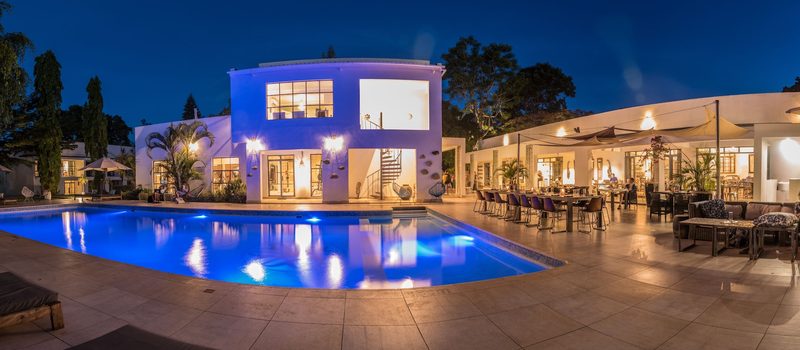
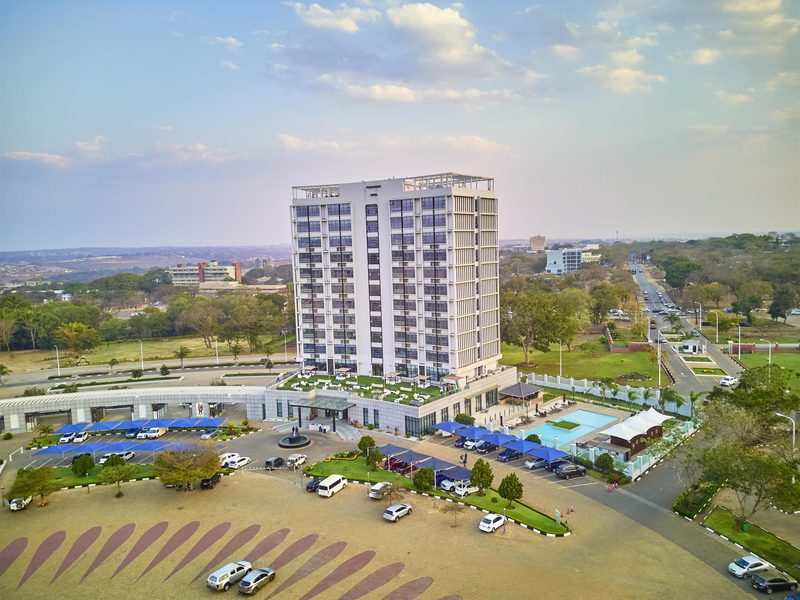
Where to Stay in Lilongwe in July
Hand-picked hotels across price tiers for July travellers.
Public Holidays in July
Dates that affect opening hours, transport and crowds
Independence Day
Observed nationwide as a public holiday.
Independence Day
Observed nationwide as a public holiday.
Packing Checklist
Bookmark this page — your progress is saved between visits
Need the full list with shopping links?
Climate-specific gear, brand recommendations, and what to leave at home.
View Lilongwe Packing List →Essential Tips
Insider knowledge and common pitfalls to avoid
Insider Knowledge
Lilongwe's nightlife clusters along a handful of spots near the City Centre and along Paul Kagame Road. But it runs on a different clock than most African capitals. Bars fill up late, often not until 10 PM on weekends. The music, a mix of Malawian gospel-influenced pop, South African amapiano, and local hip-hop, does not peak until midnight. In July, outdoor venues pull their seating inside or set up around fire pits because the cold is no joke after dark. If you are the type who judges a city by its after-hours energy, give Lilongwe a Friday night before writing it off.
The best meals in Lilongwe aren't in restaurants. They're at the informal cook-stalls that line the roads near Lilongwe Main Market and the Area 47 trading centre, where women serve plates of nsima with your choice of relish. Pick chambo, the tilapia-like lake fish that is Malawi's national dish. Or try dried usipa, tiny silver fish with a concentrated, salty punch. The pumpkin-leaf stew thickened with groundnut flour delivers a savoury richness that surprises everyone the first time. July is post-harvest. The maize is fresh. The nsima has a cleaner, sweeter flavour than the stored-grain version you get later in the dry season. Point, sit on a bench, eat with your right hand. This is how the city eats.
Lilongwe operates as two distinct cities. Old Town, centred on the market and the bus depot, is loud, chaotic, packed with minibuses and street commerce. City Centre sits 5 km (3.1 miles) north along the M1. This is where the embassies, shopping malls like Old Town Mall and Crossroads, and most upmarket accommodation cluster. First-time visitors often stay in City Centre and never venture south. They miss the real texture of the place entirely. In July, with the dry weather and comfortable walking temperatures, the 45-minute walk between the two along the Lilongwe River corridor is one of the best ways to understand how the capital fits together.
Safety in Lilongwe is generally reasonable by regional standards. But the advice has layers. The City Centre area is well-patrolled and comfortable day or night. Old Town and the market areas require the usual awareness. Keep phones out of sight. Don't flash cash. Avoid walking alone after dark on unlit streets. July's early sunsets make this more relevant than in summer months. The specific risk most travelers encounter isn't violence but petty opportunism. Watch for bag-snatching from moving bicycles, shortchanging at market stalls, and unlicensed taxi drivers quoting creative prices. Agree on fares before getting in. Carry small denominations of Malawian kwacha so you're not at the mercy of someone who can't make change.
Avoid These Mistakes
Packing for tropical heat and arriving to find a cold, dry plateau city where you need a fleece by 5 PM. Lilongwe sits at roughly 1,050 m (3,445 ft) above sea level. July is its coolest month. The gap between the 72°F (22°C) afternoon and the 47°F (8°C) night catches almost every first-timer unprepared. Pack layers. Expect the cold.
Assuming Lilongwe is a beach destination and arriving without plans to get to Lake Malawi. The lake is the headline attraction of the country, but it's a two-to-three-hour drive east. Lilongwe itself is a landlocked plateau city with no waterfront to speak of. Travelers who don't budget a day or two for the lake often feel they've missed the point of Malawi entirely. Plan the trip. See the water.
Trying to do everything on a Sunday. Lilongwe's commercial life largely shuts down on Sundays, in Old Town. Markets run at a fraction of their weekday intensity. Many restaurants close. Public transport thins out. Church services, on the other hand, are everywhere. Attending one as a respectful visitor is one of the most authentic cultural experiences the city offers. Expect full-throated Chichewa hymns and a warmth toward strangers that is disarming. Go. Listen. You'll remember it.
Ready to plan your trip to Lilongwe?
Now that you've got the research covered, here's where to go next.
Explore More Activities in Lilongwe
Didn't see anything interesting yet?
Browse Viator's full catalog of tours, day trips, food experiences, and private guides in Lilongwe.
See All Lilongwe Tours on Viator