Things to Do in Lilongwe in December
December weather, activities, events & insider tips
Low Season · Budget Friendly
December Weather in Lilongwe
Long-run averages for December
81°F (27°C)
High Temp
64°F (18°C)
Low Temp
7.8 inches (198 mm)
Rainfall
68%
Humidity
14
Sunny-Day UV
⚠ Malaria spikes in December as rains breed mosquitoes across Lilongwe. Pills, DEET, and treated nets are mandatory. Not optional. See a travel doctor first.
⚠ Afternoon storms bring serious lightning. Lilongwe's open ground and short buildings leave you exposed. Go inside when clouds tower. Skip hill trails. Avoid open fields. Live.
⚠ Dirt roads near Lilongwe flood fast. Access to Dzalanyama Forest Reserve and some lakeshore spots gets cut. Ground clearance helps. Expect double the dry season time for any route off tarmac. Plan for it.
Is December Right for You?
Weigh the advantages and considerations before booking
Advantages
- + December's rains turn Lilongwe into a different city from the dusty, brown-grey version you see on dry-season postcards. The msasa and jacaranda canopy along the road toward Capital Hill fills out overhead, the Lilongwe River carries water with real current, and the red laterite soil smells rich and mineral-sharp after each downpour. If you have any interest in photography, the light between morning rain and afternoon buildup has a quality you simply cannot get from May through October.
- + Mango season peaks in December, and you will smell it before you see it. Roadside vendors along the Old Town corridor and through Area 25 stack their tables with ripe Bombay and Julie mangoes whose syrupy, almost floral fragrance drifts across the road. The fruit is impossibly cheap relative to what you would pay for an inferior version in Europe or North America, and eating your way through the varieties is one of the genuine pleasures of being in Lilongwe right now.
- + Tourist numbers drop sharply during the green season. Lilongwe never gets overrun in the way that Cape Town or Zanzibar does. But December thins out the already modest visitor counts to the point where you will likely have the Lilongwe Wildlife Centre trails to yourself on a weekday morning. Accommodation that requires booking weeks ahead during the dry-season safari window often has same-week availability.
- + Migratory bird species arrive in force by December, and the combination of water in the Lilongwe River corridor and lush tree cover through the Nature Sanctuary and Dzalanyama Forest Reserve makes this one of the strongest birding months in central Malawi. Woodland kingfishers, European bee-eaters, and several raptor species that are simply absent from June through September are now visible from a bench along the sanctuary boardwalk.
Considerations
- − The rain is not the gentle mist you might picture. December storms in Lilongwe tend to build through the morning as heavy, dark cumulonimbus clouds stack up to the south, then break around mid-afternoon in violent downpours that turn unpaved roads to red slurry and send sheets of water across tarmac in minutes. These bursts typically last thirty to ninety minutes. But they can effectively end your outdoor plans for the afternoon, and the thunder and lightning that accompany them are intense.
- − Malaria risk climbs meaningfully with the rains. Standing water collects in drainage ditches, old tires, and construction sites across the city, and mosquito populations increase. Prophylaxis is not optional in December, and you need to be disciplined about repellent and sleeping under a treated net even in accommodation that feels modern. This is the highest-transmission period of the year in central Malawi.
- − Infrastructure strains during the wet season in ways that catch first-time visitors off guard. Power outages during and after heavy storms are not unusual, some sections of unpaved road in lower-lying parts of the city become difficult even for four-wheel-drive vehicles, and the drive to Lake Malawi on the M14 can take an hour longer than dry-season estimates suggest when you hit a muddy stretch behind a stalled truck.
Best Activities in December
Top things to do during your visit
December marks the deep onset of Lilongwe's rainy season, when afternoon storms roll across the Central Region plateau and transform the capital's red-earth landscape into a wash of saturated green. Average highs reach 27°C and lows settle around 18°C, creating warm days that carry the earthy, mineral scent of rain-soaked laterite soil. Roughly 198 millimetres of rainfall arrives across the month, most of it in dramatic late-afternoon downpours that clear within an hour, leaving the air thick with moisture and the sound of water rushing through the city's open drainage channels. Mornings tend to start bright and humid, the sky a pale blue before cumulus towers build over the Bunda Hills to the west. For travellers willing to carry a rain jacket and plan outdoor excursions before midday, December offers Lilongwe at its most alive. The jacaranda trees have finished their purple bloom but the flamboyants are firing up in scarlet, and the markets overflow with fresh mangoes, papaya, and the season's first sweet maize. The city itself splits into two distinct halves. Old Town, centred on the sprawl of Lilongwe Market and the dense residential quarters along the Lilongwe River, hums with commerce: the clatter of bicycle taxis on potholed tarmac, the sharp smell of dried kapenta fish stacked in baskets, vendors grilling maize cobs over charcoal that sends blue smoke drifting between concrete stalls. New Town, formally Capital Hill and the diplomatic quarter, sits several kilometres south. It is quieter and greener, its wide boulevards lined with indigenous trees and the occasional diplomatic residence behind hibiscus hedges. December falls during the school holiday period, and Malawian families travel to Lake Malawi or visit relatives in rural areas, which means Lilongwe's accommodation and dining scene are marginally less pressured than during the drier conference season from June to September. Restaurants in the Area 47 neighbourhood and along Paul Kagame Road serve Malawian staples, nsima with chambo, roasted groundnuts, kondowole, alongside Indian and South African-influenced menus. After dark, a handful of bars and live-music spots in Area 47 and near Crossroads stay open late, their sound systems spilling Malawian gospel, dancehall, and the local hip-hop variant into the warm night air. Safety in Lilongwe follows the pattern of most Sub-Saharan capitals: stick to well-lit areas after dark, use recognised taxi services rather than hailing unmarked cars, and keep valuables out of sight in crowded market areas.

Lilongwe City Tour (full day)
day_tripThe Lilongwe City Tour spans a full day and covers both halves of the capital in a single arc, starting in Old Town where the morning light catches the corrugated tin roofs of the market district and the air is sharp with woodsmoke and roasting groundnuts. A local guide walks you through the compressed energy of Lilongwe Market, the largest open-air market in the country, where bolts of chitenge fabric are stacked in towers of indigo, crimson, and gold, and the soundtrack is a layered mix of haggling voices, radio music, and the rhythmic thud of maize being pounded in wooden mortars nearby. The route then crosses the Lilongwe River into the Capital Hill precinct, passing the Parliament building and the large grounds of the Lilongwe Wildlife Centre, where you can hear the low calls of rescued baboons from the perimeter path.
A single-day framework that stitches together Lilongwe's fractured geography, market commerce, political architecture, riverine green belt, and suburban food culture, with a guide who contextualises what you are seeing against Malawi's post-independence trajectory.
Insider tip: Ask your guide to schedule the market visit before 09:00, when vendors are still setting up and the aisles are navigable. By midday the density of bodies and the heat trapped under the market's low roofing make photography and conversation equally difficult.
This month: December rains can make unpaved sections of Old Town slippery underfoot. Wear shoes with grip rather than sandals, and carry a compact umbrella for the sudden downpours that interrupt most afternoons.

Private transfer from Lilongwe, Malawi to Lake Malawi, Blantyre, or Mzuzu
transportThe private transfer from Lilongwe to Lake Malawi, Blantyre, or Mzuzu replaces what would otherwise be a rattling minibus journey with a direct, air-conditioned drive across some of southern Africa's most underappreciated scenery. The route to Lake Malawi, typically the Salima lakeshore road, drops from the plateau through tobacco-growing lowlands where the December rains have turned the fields electric green, and the sweet, grassy smell of wet crops streams through cracked windows. Heading south to Blantyre, the road climbs through the Dedza gap with views of forested escarpments draped in low cloud, while the northern route to Mzuzu passes through Nkhotakota Wildlife Reserve, where you may catch a flash of grey as elephants cross between miombo woodland patches.
Malawi's intercity bus network is slow, crowded, and unpredictable. This transfer converts a gruelling half-day journey into a comfortable, direct connection with flexible departure timing.
Insider tip: If heading to Lake Malawi, request the route via the M14 through Dedza rather than the faster Salima road. It adds roughly forty-five minutes but passes through cooler highland terrain with roadside pottery stalls at Dedza where local artisans sell hand-thrown terracotta for almost nothing.
This month: Heavy December rains occasionally wash debris across the M1 highway between Lilongwe and Blantyre. Your driver will know alternate routes. But build schedule flexibility into your travel day.

Cultural Tour of Lilongwe (Malawi)
guided_experienceThe Cultural Tour of Lilongwe peels back the surface of the capital and examines the social architecture underneath, the hierarchies of the market, the role of the chief system within an urban context, the quiet persistence of Chewa and Yao cultural practices in a city that looks, at first glance, thoroughly modern. The tour typically includes a visit to a township area where you hear the clap-and-call rhythms of community gatherings, smell the smoke of nsima being prepared over open fires in communal cooking spaces, and watch craftspeople carving wooden masks and figures whose designs reference Gule Wamkulu, the masked dance tradition of the Chewa people recognised by UNESCO. Conversations with residents and artisans are mediated by a guide who translates not just language but context, explaining the social weight of gift-giving, the etiquette of greetings that can stretch to several minutes, and the significance of the cloth patterns worn by women of different status.
Lilongwe's cultural depth is invisible from a taxi window. This guided immersion gives structure and local interpretation to encounters that would otherwise remain opaque to an outsider.
Insider tip: Bring a small, practical gift for household visits. A bag of sugar or a packet of tea is customary and appreciated far more than cash, which can create awkwardness in a culture that prizes relational generosity over transactional exchange.
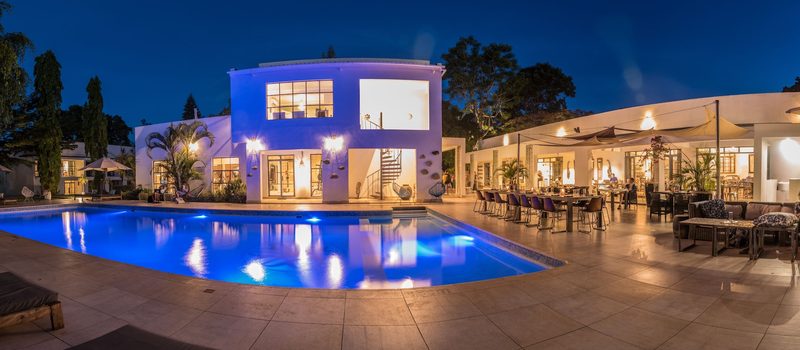
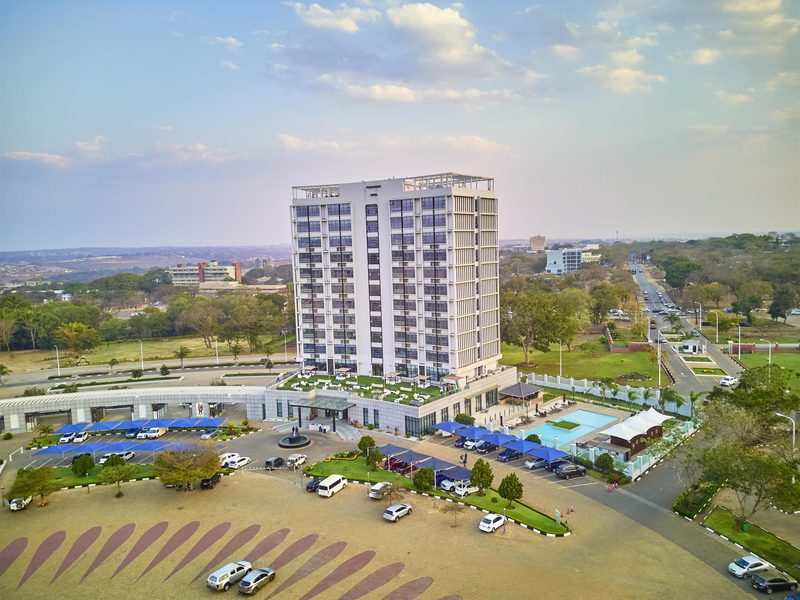
Where to Stay in Lilongwe in December
Hand-picked hotels across price tiers for December travellers.
Public Holidays in December
Dates that affect opening hours, transport and crowds
Christmas Day
Observed nationwide as a public holiday.
Boxing Day
Known in English as St. Stephen's Day. Observed nationwide as a public holiday.
Boxing Day
Known in English as St. Stephen's Day. Observed nationwide as a public holiday.
Christmas Day
Observed nationwide as a public holiday.
Christmas Day
Observed nationwide as a public holiday.
Boxing Day
Known in English as St. Stephen's Day. Observed nationwide as a public holiday.
Packing Checklist
Bookmark this page — your progress is saved between visits
Need the full list with shopping links?
Climate-specific gear, brand recommendations, and what to leave at home.
View Lilongwe Packing List →Essential Tips
Insider knowledge and common pitfalls to avoid
Insider Knowledge
Front-load your day. This is the single most important scheduling rule for December in Lilongwe. Mornings tend to be clear, warm, and workable from around six until eleven or noon. The big storms build from early afternoon. Plan any outdoor activity, any market visit, any excursion departure for the first hours of daylight. Treat the afternoon as indoor time. Locals have internalized this rhythm completely. You will see market vendors packing up produce stalls well before the sky turns dark and heavy.
Minibuses between Lilongwe's Old Town and the City Centre run frequently and cost next to nothing. They are chaotic and difficult to navigate without some Chichewa or a confident sense of the route network. A more practical option for visitors is to arrange transport through your accommodation or negotiate with a taxi driver for a half-day rate. The key phrase is 'mtengo wanji,' which means 'how much.' Establishing the price before you get in is essential. Not optional.
Eat fresh chambo in December if you can get to the lakeshore or find it at a Lilongwe restaurant that sources it properly. Chambo is a Lake Malawi tilapia species. When grilled whole over charcoal and served with nsima and a tomato-and-onion relish, it is arguably the finest freshwater fish dish in southern Africa. The flesh is firm, faintly sweet, and takes on a smoky char from the coals. In the city, the restaurants around Area 47 and along the road toward Kamuzu International Airport are your most reliable options for fresh rather than frozen fish.
Carry enough Malawian Kwacha in cash for at least two days of spending at any time. ATMs in Lilongwe exist, primarily around Old Town and the commercial blocks of the City Centre. They run out of cash more often than you would expect. Card payment is limited to a handful of larger establishments. If you arrive at Kamuzu International Airport, withdraw cash at the arrivals hall ATM before you leave the terminal. It tends to be more reliably stocked than the ones in town.
Avoid These Mistakes
Do not treat Lake Malawi as a day trip from Lilongwe. The lake is roughly 100 km (62 miles) east. In December's road conditions that means up to four hours each way. By the time you arrive, eat lunch, and need to head back before afternoon storms, you have seen almost nothing. Commit to at least two nights on the lakeshore or do not go at all. The travelers who feel disappointed by the lake are almost always the ones who tried to squeeze it into a single rushed day.
Do not skip malaria prophylaxis because you feel fine or because someone told you the risk is overstated. December is the peak transmission month in central Malawi. Malaria is emphatically not a mild inconvenience. It can develop rapidly into a serious medical situation. Healthcare infrastructure in Lilongwe, while better than most of Malawi, is not what you are accustomed to if you are coming from Europe or North America. Take the medication. Sleep under the net. Use the repellent.
Do not pack only for heat. Lilongwe sits at roughly 1,050 m (3,445 ft) above sea level. Evenings cool down noticeably. A soaking afternoon rainstorm followed by nightfall can leave you cold in nothing but shorts and a t-shirt. The temperature swing between a midday high near 27 degrees Celsius (81 degrees Fahrenheit) and an evening low around 18 degrees Celsius (64 degrees Fahrenheit) is larger than most tropical destinations deliver. Travelers from equatorial-coast cities are often surprised by it. Pack layers.
Ready to plan your trip to Lilongwe?
Now that you've got the research covered, here's where to go next.
Explore More Activities in Lilongwe
Didn't see anything interesting yet?
Browse Viator's full catalog of tours, day trips, food experiences, and private guides in Lilongwe.
See All Lilongwe Tours on Viator