Things to Do in Lilongwe in February
February weather, activities, events & insider tips
Low Season · Budget Friendly
February Weather in Lilongwe
Long-run averages for February
79°F (26°C)
High Temp
63°F (17°C)
Low Temp
7.4 inches (188 mm)
Rainfall
81%
Humidity
15
Sunny-Day UV
⚠ Malaria risk is elevated during February's wet season. Antimalarial prophylaxis, insect repellent, and bed nets are essential, not optional. Consult a travel health clinic before departure.
⚠ Flash flooding can occur in low-lying areas of Lilongwe after heavy afternoon downpours. The Lilongwe River rises quickly during sustained storms, and some road underpasses near the river flood within minutes. Avoid crossing flooded roads on foot or by vehicle.
⚠ Unpaved roads outside the city, the access routes to Dzalanyama Forest Reserve and some Lake Malawi lakeshore villages, may become impassable after heavy rain. Check conditions locally before attempting rural drives. Do not attempt secondary roads without a vehicle with decent ground clearance. Roads turn to mud fast. Ask first.
Is February Right for You?
Weigh the advantages and considerations before booking
Advantages
- + Lilongwe transforms in February. The dusty browns and bare miombo branches of the dry months vanish. A thick green canopy filters sunlight into something close to emerald. The Lilongwe River runs full and fast through the Nature Sanctuary. The air smells of wet laterite and blooming frangipani. Photographers get a version of Malawi that dry-season visitors never see.
- + Tourist numbers hit their yearly low. The Lilongwe Wildlife Centre, crowded during the July-October peak, becomes yours alone. You, a guide, and weaver birds stitching nests overhead. Accommodation rates fall noticeably from peak-season levels. You will not compete for seats at restaurants in Area 47 on Friday nights.
- + February is peak birding season around Lilongwe. Migratory species from the Palearctic remain. Resident breeders wear full display plumage. Dzalanyama Forest Reserve sits about 55 km (34 miles) southwest of the city. It holds species like the bar-tailed trogon and Bohm's bee-eater. Serious birders cross continents to tick these. Full foliage and active bird behavior make this arguably the best month for binoculars.
- + Fruit season peaks in February. Mango trees along Old Town roadsides hang heavy with fruit. Avocados appear everywhere. Ripe papaya scents drift through the main market. You will eat better tropical fruit here in February than at any other time. Seasonal abundance keeps meal costs low even by Malawian standards.
Considerations
- − The rain is heavy. Lilongwe receives 188 mm (7.4 inches) in February. Much falls in dramatic afternoon thunderstorms rather than grey all-day drizzle. Those storms turn unpaved streets into ankle-deep mud within thirty minutes. Any outdoor plans after 2 PM need backup options.
- − Mosquito activity peaks in the wet season. Lilongwe sits at about 1,050 m (3,445 ft) elevation. This moderates heat but does not eliminate malaria risk. Start antimalarial medication before travel. Sleep under a treated net. Apply repellent consistently. This advice is not optional. It is the single most important health decision of your trip.
- − Road conditions outside the city center deteriorate after sustained rain. The drive to Senga Bay on Lake Malawi, normally 100 km (62 miles) on the M14, becomes unpredictable when road shoulders wash out. Dzalanyama's access tracks fare worse. Build extra time into any journey leaving the tarmac. Check conditions locally before committing to rural day trips.
Best Activities in February
Top things to do during your visit
February sits deep in the green season. Lilongwe is at its most lush, its most dramatic. Afternoon thunderstorms roll across the capital's wide sky with clockwork regularity. The air turns thick and warm before the clouds break open, dropping an average of 188 mm of rain across the month. Temperatures hold steady around 26°C during the day and 17°C at night. That narrow band keeps the city feeling tropical without the punishing heat that bakes the lakeshore lowlands later in the dry months. The rains have been falling since November. By now the msasa and jacaranda trees that line the avenues of Area 3 and Area 12 are in full canopy. They cast deep green shade over red laterite paths. Those paths turn slick and rust-coloured after each downpour. The Lingadzi River, which bisects the city through its nature sanctuary, runs brown and fast. You can hear it from the footbridges that cross it. This is the season when Lilongwe feels most like the garden city its planners intended. The commercial district in the New Town hums with trade. The smell of roasting maize drifts from vendors along the M1 corridor. The covered stalls of the Old Town market overflow with mangoes, papayas, and the season's first green maize. It is still milky when you bite through the husk. Restaurants in the Areas serve nsima with fresh pumpkin leaves and dried fish. The earthy, slightly mineral taste of chambo is carried inland from Lake Malawi. Travellers wondering about safety will find Lilongwe welcoming and low-key by regional standards. The city's large, low-rise layout and residential feel put it closer to a large town than a congested capital. Most visitors move freely between the Old Town, the nature sanctuary, and the diplomatic quarter without incident. Nightlife centres on a handful of hotel bars and open-air spots in Area 43. Malawian pop and gospel thump from speakers into the warm, damp evening air. February's rains do shape daily logistics. Mornings tend to be clear and bright. That is your best window for walking and sightseeing. The heaviest showers typically arrive between mid-afternoon and early evening. Plan outdoor time before lunch. Save indoor meals and market browsing for the wet hours.

Lilongwe City Tour (full day)
day_tripThe Lilongwe City Tour covers the capital from end to end across a full day. It threads through both the low-slung commercial sprawl of the New Town and the dense, earthy chaos of the Old Town. There, the smell of dried kapenta fish and charcoal smoke hangs in the narrow lanes between market stalls. Your guide walks you through the Parliament Building grounds, the Lilongwe Wildlife Centre along the banks of the Lingadzi River, and the tobacco auction floors that anchor the city's economy. That sequence maps the distance between Lilongwe's political face and its everyday pulse. In the Old Town market, you hear the rhythmic clatter of tailors' sewing machines alongside vendors calling out in Chichewa. The feel of hand-carved wooden figures, smooth from sanding, invites a closer look at the craft stalls lining the market's perimeter.
A single-day framework that connects Lilongwe's scattered landmarks into a coherent story, with local narration that fills in the gaps no signpost covers.
Insider tip: Ask your guide to include a stop at the Kamuzu Mausoleum early in the morning when the grounds are quiet and the light is soft enough to photograph the mosaic work without glare.
This month: February's heavy rains can turn unpaved Old Town lanes muddy by afternoon. Waterproof shoes and a light rain jacket are functional necessities, not precautions.

Private transfer from Lilongwe, Malawi to Lake Malawi, Blantyre, or Mzuzu
transportThe private transfer from Lilongwe to Lake Malawi, Blantyre, or Mzuzu turns what could be an uncertain minibus ordeal into a direct, comfortable ride. You will pass through some of the country's most impressive terrain. The route east to the lakeshore, roughly three hours depending on destination, descends from the plateau through increasingly dry woodland. Then the air shifts. It carries the faint mineral tang of freshwater as the lake's surface appears below, an immense blue sheet stretching to the Mozambican shore. Heading south toward Blantyre, the M1 winds through tea-country hills. The roadside vegetation thickens there. The cool altitude brings a noticeable drop in humidity against your skin. The northern route to Mzuzu climbs through the Viphya Plateau, where eucalyptus plantations perfume the air through open windows.
The only reliable way to reach the lakeshore, Blantyre, or Mzuzu on your own schedule, without the overcrowded and unpredictable public transport that tests even experienced overland travellers.
Insider tip: If heading to the lake, request a departure before six in the morning. You will clear the plateau before the heat builds and arrive at the lakeshore with enough daylight to settle in. You also avoid the worst of the afternoon rain that can slow the unpaved stretches near Cape Maclear.
This month: February rains can wash out sections of unpaved roads, on the approach to Cape Maclear and around Nkhata Bay. Confirm road conditions with your driver the day before departure.

Cultural Tour of Lilongwe (Malawi)
guided_experienceThe Cultural Tour of Lilongwe strips back the city's quiet exterior. It reveals the social fabric underneath. This is a guided walk through communities in the Old Town and surrounding townships. You sit with local craftspeople. You watch woodcarvers shape their tools from mango wood with hand-forged adzes. You taste the slightly sour tang of thobwa, a fermented maize drink served from shared buckets at roadside gatherings. The itinerary moves through residential neighbourhoods. The sound of children reciting lessons drifts from open school windows. You pass small churches built from handmade brick. You enter compound kitchens where women prepare kondowole, the cassava flour staple, over charcoal fires. The acrid, woody smoke sticks to your clothes for hours afterward. This is Lilongwe at the scale its residents live it. Not monuments. The texture of a warm, unhurried afternoon in a city that runs on face-to-face exchange.
The only structured way to enter Lilongwe's residential world as a guest rather than an observer, with introductions and context that independent wandering cannot replicate.
Insider tip: Bring a small notebook rather than relying on your phone for notes. Pulling out a camera or phone in residential compounds can shift the dynamic. Writing is seen as respectful interest. Your guide will tell you when photos are welcome.
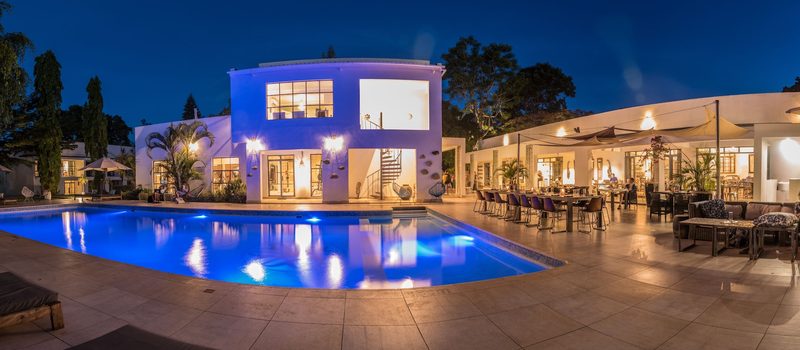
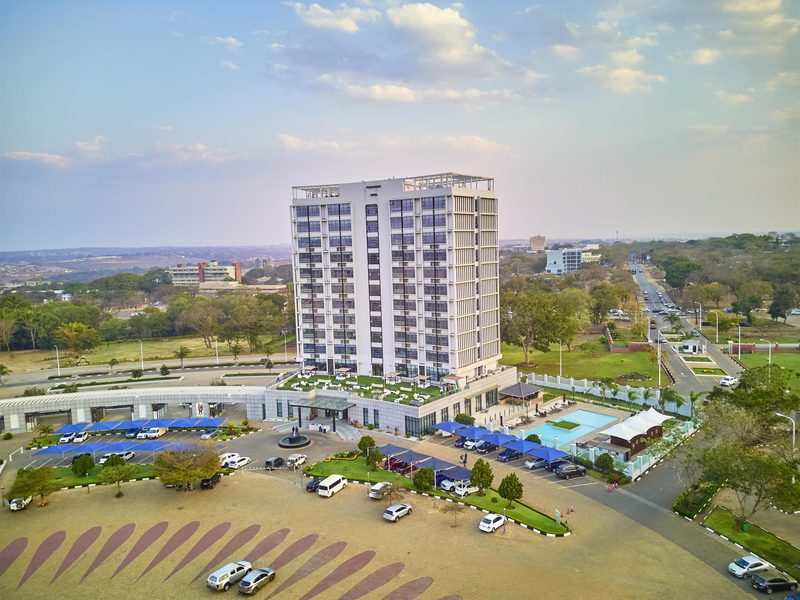
Where to Stay in Lilongwe in February
Hand-picked hotels across price tiers for February travellers.
Packing Checklist
Bookmark this page — your progress is saved between visits
Need the full list with shopping links?
Climate-specific gear, brand recommendations, and what to leave at home.
View Lilongwe Packing List →Essential Tips
Insider knowledge and common pitfalls to avoid
Insider Knowledge
Front-load your outdoor plans before noon. February's rain pattern in Lilongwe is remarkably consistent: mornings tend to be clear, warm, and gorgeous, and then the clouds build from about 1 PM and break into heavy storms between 2 and 4 PM. By evening, the sky is often clear again. Locals have organized their entire daily rhythm around this pattern, and you should too.
Lilongwe sits at roughly 1,050 m (3,445 ft) above sea level, which is why the temperatures feel moderate despite being in the tropics. The altitude also means the air cools noticeably after sunset, and a cold beer on an Area 47 terrace at 8 PM in February is pleasant rather than the sweat-soaked ordeal you might expect from a rainy-season African capital.
If you are heading to Lake Malawi from Lilongwe, take the M14 east toward Salima rather than attempting back-road shortcuts. In February, secondary roads can go from passable to impassable after a single storm, and getting stuck in red mud 30 km (19 miles) from the nearest tarmac is not an adventure story you want to earn. Ask locally that morning about conditions.
The main market in Old Town is where Lilongwe residents buy their produce, fabric, and household goods, and it operates on a haggling system that rewards politeness more than aggression. A few words of Chichewa, even just 'muli bwanji' (how are you) and 'zikomo' (thank you), change the dynamic of every interaction entirely. Vendors will smile, offer you a mango to try, and give you a price closer to what locals pay.
Avoid These Mistakes
Scheduling back-to-back outdoor activities that span the entire day. The afternoon rain is not a possibility in February, it is a near certainty. Travelers who plan a morning wildlife walk followed by an afternoon hike end up sheltering in a vehicle watching water sheet across the windshield. Split your day: outdoors before noon, indoors or under cover from 1 to 5 PM, then back out for the evening.
Treating malaria prevention casually because Lilongwe feels like a modern city. The elevation helps. But the wet season brings mosquitoes into the city in numbers that the dry months do not. Skipping antimalarials, forgetting repellent at dusk, or sleeping without a treated net is the fastest way to turn a trip into a medical emergency. Malaria is treatable. But only if you take it seriously.
Assuming Lilongwe is just a stopover on the way to Lake Malawi. Many travelers pass through in a single night and miss the Wildlife Centre, the Old Town market, and the Dzalanyama forest entirely. The city is not spectacular in the way a lakeshore is. But it has a texture and rhythm that rewards two or three days of unhurried exploration. Treat it as a destination, not a transfer point.
Ready to plan your trip to Lilongwe?
Now that you've got the research covered, here's where to go next.
Explore More Activities in Lilongwe
Didn't see anything interesting yet?
Browse Viator's full catalog of tours, day trips, food experiences, and private guides in Lilongwe.
See All Lilongwe Tours on Viator