Things to Do in Lilongwe in September
September weather, activities, events & insider tips
Low Season · Budget Friendly
September Weather in Lilongwe
Long-run averages for September
80°F (27°C)
High Temp
55°F (13°C)
Low Temp
0.0 inches (0 mm)
Rainfall
46%
Humidity
12
Sunny-Day UV
⚠ UV intensity at Lilongwe's 1,050 m (3,445 ft) elevation is extreme in September. It is easily underestimated because the air temperature feels moderate. Prolonged outdoor exposure without high-SPF sunscreen and a hat can result in serious sunburn within an hour. The danger peaks between 10 AM and 2 PM. Cover up.
⚠ Dry-season bush fires in the countryside surrounding Lilongwe produce occasional smoke haze. This happens in the late afternoon when fires started for land clearing drift toward the city. Air quality rarely reaches dangerous levels within Lilongwe itself. Travelers with respiratory sensitivities should carry any needed medication. Check conditions before extended hikes in rural reserves.
⚠ September brings the worst dust. Months without rain leave unpaved roads and market choking with fine red laterite. It gets in your eyes. It gets in your lungs. Travelers with asthma or dust allergies need inhalers and antihistamines on hand. A cloth face covering helps in the worst spots. Pack accordingly.
Is September Right for You?
Weigh the advantages and considerations before booking
Advantages
- + September brings bone-dry skies. Every day is yours to plan. Lilongwe sees zero rainfall, with humidity at a manageable 46%. The warmth feels tolerable. Compare that to January, when humidity tops 80% and afternoon storms trap you inside.
- + Wildlife viewing hits its stride now. Dry season strips the vegetation bare. At Lilongwe Wildlife Centre and nearby reserves, thinned bush and shrinking water holes push animals into tighter spaces. You get clear sightlines through scrub that wet-season grass would block completely.
- + Visitor numbers stay low. That means genuine access. Rooms book with less lead time. At major sights, you share space with a few others, not tour groups. The city belongs to residents, not tourists.
- + September highs of 27°C (80°F) hit the mark. July mornings feel raw at 8°C (46°F). October and November push past 29°C (84°F). This month sits between them. Walk for hours. The weather cooperates.
Considerations
- − The land looks unmistakably dry. Lilongwe's red laterite soil becomes fine dust. It coats shoes, lenses, bag interiors. Vehicles on unpaved roads kick up ochre clouds that hang at face level for thirty seconds. Expecting lush green Africa? September corrects that on the airport drive.
- − Mornings at 13°C (55°F) catch unprepared travelers. The 14°C (25°F) swing between dawn and midday is among the year's widest. Shorts and a T-shirt for early market visits? You will feel underdressed until sun clears the trees near 8 AM.
- − September sits in a quiet shoulder. The social calendar revs up with the rains. Some seasonal restaurants and lakeside lodges run reduced hours or close for maintenance before November through March high season. Area 47 nightlife still fires on weekends. Midweek, the city slows. Even Lilongwe standards feel unhurried.
Best Activities in September
Top things to do during your visit
September lands at the tail end of Lilongwe's long dry season, and the city wears it plainly. The air is the driest it gets all year. Daytime temperatures climb to around 27 degrees Celsius, warm without the oppressive weight that the rains will bring in November and December. By evening, the thermometer drops to 13 degrees. Cool enough that you will want a light jacket if you are walking between the restaurants and bars in Area 47 or sitting out in the gardens of one of the guesthouses in the Old Town. There is no rainfall at all in September. Not a single millimetre on record. The sky holds a pale, hazy blue from dawn until the sun drops behind the msasa woodland on the city's western fringe. This dryness reshapes the landscape around Lilongwe in ways that matter to visitors. The Lilongwe River, which bisects the city through its nature sanctuary, runs low and quiet, exposing sand and rock along its banks where vervet monkeys forage in the open. Bush and scrub across the surrounding plateau have thinned to bare branches and tawny grass. Wildlife at reserves within day-trip range is easier to spot than at any other time of year. Animals congregate around the remaining water sources. For anyone thinking about the weather in Lilongwe during September or wondering about the climate for a visit, the short answer is that you will pack for warm, cloudless days and cool nights. You will not lose a single afternoon to rain. The trade-off is a dusty, parched aesthetic rather than the lush green the city takes on after December's downpours. The flame trees lining the capital's avenues are bare now, their canopies stripped. The jacarandas are just beginning to push out the first purple buds that will turn Lilongwe violet by October.

Lilongwe City Tour (full day)
day_tripThe Lilongwe City Tour covers the capital end to end across a full day, moving between the Old Town's compressed market lanes and the New Town's wide, quiet government boulevards in a sequence that makes geographic and narrative sense of a city that confuses most first-time visitors. You pass through the Lilongwe Market, where the sharp tang of dried fish and the earthy sweetness of ripe mangoes compete in the thick morning air. You walk the grounds of Parliament and the Kamuzu Mausoleum, where the hush and polished granite feel like a different country from the commerce a few kilometres south. A guide who knows Lilongwe turns an otherwise disorienting sprawl into a legible story about post-independence nation-building, colonial-era planning, and the organic growth of the market quarters.
A full-day guided circuit is the fastest way to decode Lilongwe's split personality between its raw, commercial Old Town and its manicured, political New Town.
Insider tip: Ask your guide to include a stop at the Lilongwe Wildlife Centre in the morning, when the rescued primates are active and feeding, rather than in the midday heat when they retreat into shade and are difficult to see.
This month: September's zero rainfall and low humidity mean an entirely outdoor itinerary with no risk of weather delays, and the thinner vegetation along the Lilongwe River section of the route opens sightlines that the wet season closes off.

Private transfer from Lilongwe, Malawi to Lake Malawi, Blantyre, or Mzuzu
transportThe Private Transfer from Lilongwe to Lake Malawi, Blantyre, or Mzuzu solves the single biggest logistical headache in Malawi. Overland travel between cities on roads that range from serviceable tarmac to rutted dirt. The drive to the lakeshore, depending on which section you are heading for, takes roughly four to five hours and drops you from the dry central plateau down through increasingly green escarpment country until the enormous freshwater lake appears below, glinting silver under the September sun. The Blantyre route heads south through tobacco country, past roadside stalls selling roasted groundnuts wrapped in newspaper and the sweet, smoky scent of curing sheds. The Mzuzu route north climbs into cooler, higher terrain where pine plantations give way to miombo woodland.
A private vehicle with a knowledgeable driver collapses what would be an unpredictable, exhausting public-bus journey into a comfortable, door-to-door transfer with stops wherever the scenery or a roadside market warrants one.
Insider tip: If heading to Lake Malawi, request the route through Salima rather than Nkhotakota for the more dramatic descent to the lakeshore, and ask the driver to stop at the Dedza Pottery turnoff for hand-thrown ceramics made from local clay.
This month: Dry-season roads in September are at their most navigable. The dirt sections that become treacherous mud traps during the December-to-March rains are firm and fast. Visibility across the plateau is clear despite the haze of bush fires on the horizon.

Cultural Tour of Lilongwe (Malawi)
guided_experienceThe Cultural Tour of Lilongwe strips back the city's surface to show how ordinary life in Malawi's capital works, moving through neighbourhoods where visitors rarely go on their own. You spend time in local compounds where women pound maize in wooden mortars with a rhythmic, hollow thud that carries across the packed-earth courtyards. You sit with craftspeople producing wood carvings and textile work while they explain the iconography, which is specific to the Chewa and Yao traditions dominant in central Malawi. The tour includes local food. In September the staple nsima, a dense, smooth maize porridge with a faintly sweet, starchy taste, is served with dried-fish relish and leafy greens. The dry-season diet will shift dramatically once the rains bring fresh produce back to Lilongwe's markets.
This is the closest a short-stay visitor can get to the texture of daily Chewa life in Lilongwe without an extended personal connection in the city.
Insider tip: Wear shoes you do not mind getting dusty, as the tour moves through unpaved residential areas, and bring a small gift of sugar or tea for any household you visit, which is the local custom and will be received with genuine warmth.
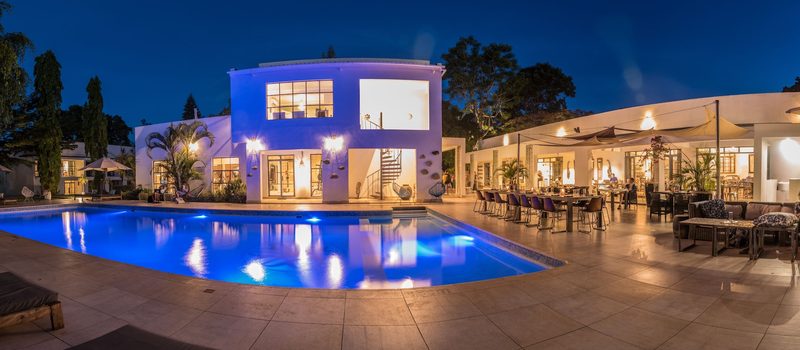
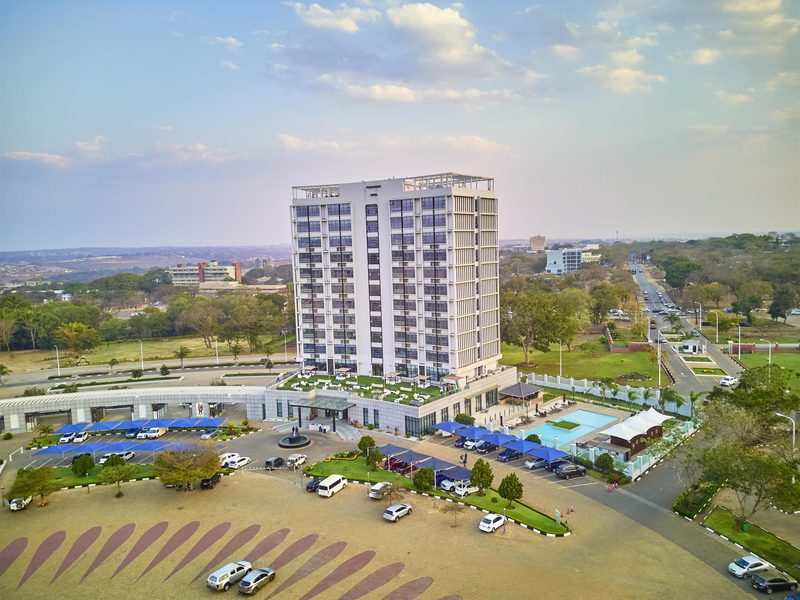
Where to Stay in Lilongwe in September
Hand-picked hotels across price tiers for September travellers.
Packing Checklist
Bookmark this page — your progress is saved between visits
Need the full list with shopping links?
Climate-specific gear, brand recommendations, and what to leave at home.
View Lilongwe Packing List →Essential Tips
Insider knowledge and common pitfalls to avoid
Insider Knowledge
Lilongwe's real social life happens Friday and Saturday nights in Area 47. Bars and restaurants fill with locals who treat the weekend as a reason to be out until late. Weeknight quiet is not a sign of a dull city. Malawians work hard. They concentrate their socialising. Show up in Area 47 after 9 PM on a Saturday. Let the evening develop. This is how you understand Lilongwe beyond the tourist layer.
Minibuses from the Old Town depot are the cheapest way to move around the city. They leave when full, not on a schedule. The trick is boarding one that already has most of its seats taken. This cuts your waiting time from forty minutes to five. Ask a vendor near the depot which bus is filling fastest for your destination. Do not just climb into the first one with an empty seat.
September is when Lilongwe's mango trees are flowering but not yet fruiting. You will see the blossoms without the swarms of fruit bats that descend from October onward. Want the full sensory assault of mango season? Come back in November. Prefer quieter evenings without bat noise overhead? September is your month.
Municipal water supply runs low at the tail end of Lilongwe's dry season. Carry purification tablets or a filter as backup even if your accommodation provides bottled water. Brushing teeth with tap water is a risk most seasoned travelers in Lilongwe avoid. September is the month when supply interruptions are most likely to catch you without a reserve.
Avoid These Mistakes
Do not pack for tropical heat and nothing else. The 14°C (25°F) temperature swing between Lilongwe's September dawn and midday is enough to make early mornings feel noticeably cold. Travelers who brought only shorts and T-shirts end up buying fleeces at inflated tourist-area prices within their first day. Pack layers.
Never underestimate distances and road time. Lilongwe sprawls across its plateau with long stretches of low-density development between areas. What looks like a short hop on a map can take thirty to forty-five minutes by minibus due to traffic and stops. Build buffer time into every plan. This matters for connections to Lake Malawi day trips that involve ninety minutes of driving each way.
Do not treat September's moderate temperatures as permission to skip sun protection. At Lilongwe's elevation the UV exposure is significantly higher than at sea level. The dry air provides no cloud cover to soften it. Travelers who would diligently apply sunscreen on a tropical beach forget it here because the heat does not feel extreme. They end up with burns they did not see coming. Apply sunscreen anyway.
Ready to plan your trip to Lilongwe?
Now that you've got the research covered, here's where to go next.
Explore More Activities in Lilongwe
Didn't see anything interesting yet?
Browse Viator's full catalog of tours, day trips, food experiences, and private guides in Lilongwe.
See All Lilongwe Tours on Viator