Things to Do in Lilongwe in November
November weather, activities, events & insider tips
Low Season · Budget Friendly
November Weather in Lilongwe
Long-run averages for November
84°F (29°C)
High Temp
64°F (17°C)
Low Temp
2.5 inches (64 mm)
Rainfall
65%
Humidity
14
Sunny-Day UV
⚠ Malaria risk increases significantly as November rains create mosquito breeding habitat throughout the city and surrounding areas. Prophylaxis medication, insect repellent, and bed nets are essential, not advisory. Sleep under the net. Every night.
⚠ Afternoon thunderstorms can produce intense lightning, over open ground. Avoid exposed hilltops, open fields, and the river corridor during active storms. The storms typically last under an hour but strike with little warning. Seek shelter early. Lightning kills.
⚠ Unpaved roads in and around Lilongwe become slick and occasionally impassable after heavy rain. Flash flooding in low-lying areas near the Lilongwe River and in parts of the Old Town can strand vehicles and pedestrians for hours. Check the sky. Plan exits.
Is November Right for You?
Weigh the advantages and considerations before booking
Advantages
- + October's first rains shatter the dusty heat. Lilongwe's plateau turns vivid green almost overnight. After months of brown grass and haze from agricultural burning, jacaranda-lined avenues along Capital Hill and riverbank parks flush with new growth. The air clears. The red laterite soil darkens to mahogany. Lilongwe suddenly photographs the way it never does in dry season.
- + Mango season arrives in earnest. By mid-November, vendors along the M1 road and at Old Town market stalls in Tsoka pile up tommy and boer mangoes so ripe the juice runs down your wrist before you finish peeling one. This is the Malawian fruit calendar at its peak. The sweetness of a sun-warm mango eaten on the roadside sticks with you longer than any monument. Small moments matter.
- + Tourist numbers drop to their lowest. In Lilongwe, this means you might be the only foreign visitor at the Lilongwe Wildlife Centre on a given Tuesday. Accommodation has genuine availability even on short notice. The negotiating power shifts noticeably in your favour at guesthouses and lodges around the capital. Ask for discounts.
- + November's moderate rainfall of 2.5 inches (64 mm) lands well below the heavy months of January and February, which each dump over 7 inches (180+ mm). Showers tend to come in sharp afternoon bursts rather than all-day grey. Mornings and early afternoons are typically clear and warm. You get the green-season aesthetic without the green-season punishment.
Considerations
- − Mosquitoes return with the rains. Lilongwe sits at roughly 1,050 m (3,445 ft), which dampens malaria risk compared to the lakeshore lowlands. November's standing water and humid evenings bring the Anopheles population back to life. Prophylaxis, long sleeves after dusk, and a treated bed net are non-negotiable. Not optional extras.
- − Unpaved roads in older residential areas and on routes toward Dzalanyama Forest Reserve turn slippery after the first real downpours. If you're planning to drive yourself, a vehicle with decent clearance matters more in November than in dry season. Some secondary tracks become impassable after a heavy storm. Plan accordingly.
- − The heat builds through the day in a way dry-season visitors might not expect. By early afternoon, humidity and 29°C (84°F) combine into a sticky heaviness. Walking through Area 3 or the Old Town feels more taxing than the temperature alone would suggest. Plan outdoor time for before 10am or after 4pm. You'll have a much better experience.
Best Activities in November
Top things to do during your visit
November marks the turn of the seasons in Lilongwe. After months of dry, dusty air that parches the throat and coats every surface in a fine ochre film, the first rains arrive. Tentative showers darken the red laterite soil and send up that unmistakable petrichor, a mineral sweetness that hangs over the city for hours after each downpour. Daytime temperatures reach around 29°C (84°F). Warm enough that the shade of a msasa tree feels like a reward. Evenings cool to a comfortable 17°C (64°F), the kind of night air that makes sitting outside with a Carlsberg Green pleasant. Rainfall in November averages roughly 64 mm. That is a fraction of the drenching that January and February will bring. Most days offer long stretches of dry, overcast sky broken by short, theatrical afternoon storms. The landscape responds fast. Within a week or two of the first rains, the brown hillsides surrounding the capital flush green, and jacaranda blossoms carpet the roadsides in pale purple drifts. The city itself operates at a different tempo from the cool-season months. Lilongwe's Old Town, the commercial heart along the Lilongwe River, hums with vendors restocking ahead of the growing season. Sacks of fertiliser stack beside pyramids of tomatoes and dried chambo fish whose smoky, briny scent follows you through the market lanes. In Area 47 and Area 25, neighbourhood bars crank up speakers for the weekend, and the warm evenings draw people outdoors. For travellers weighing whether November is the right moment, the practical answer is yes. You arrive before the heavy rains of December through March, accommodation is easier to secure than during the peak dry-season months, and the greening countryside makes day trips far more photogenic. The weather in Lilongwe during November sits in a middle register. Not the scorching heat of October, not the downpours of the deep wet season. That balance works in a visitor's favour whether you are exploring the capital or using it as a launchpad for Lake Malawi or points south. Safety in Lilongwe follows the pattern of most mid-sized African capitals. Straightforward common sense covers nearly every situation. Stick to well-lit areas after dark, keep valuables out of sight in markets, and use established taxi services or pre-arranged transfers. Lilongwe's dining scene clusters around the City Centre (Area 3 and Area 4), where Korean, Indian, and local Malawian restaurants operate alongside hotel kitchens. The nsima served with a slow-cooked goat stew at a local chophouse is worth seeking out. The maize flour porridge is dense and slightly sour against the rich, peppery gravy. Nightlife concentrates in a handful of bars and clubs in Areas 10 and 47, where live Afro-pop and gospel acts perform on weekends and the air inside throbs with bass.

Lilongwe City Tour (full day)
day_tripThe Lilongwe City Tour covers the capital's full sweep in a single day, threading from the colonial-era Old Town through to the modern government district in Capital Hill. The original trading post buildings sit low and whitewashed along dusty lanes. Capital Hill has brutalist ministerial blocks and wide, quiet avenues flanked by flame trees. Along the way, the tour moves through Lilongwe's central market. The clatter of tin cookware, the sharp green smell of fresh tobacco leaf, and the calls of fabric sellers create a sensory density that no guidebook summary captures. You pass the Parliament building, cross the Lilongwe River where women beat laundry against smooth stones in the shallows, and visit the Lilongwe Wildlife Centre. That is a sanctuary tucked into miombo woodland on the city's edge where rescued primates and reptiles live under a canopy thick enough to drop the temperature several degrees.
A single-day immersion that decodes Lilongwe's layered geography, colonial trading town, modern capital, and peri-urban bush, with a guide who bridges the gaps a solo walk would leave open.
Insider tip: Ask your guide to include a stop at the Kamuzu Mausoleum in the morning before midday heat builds. The site is quieter early, and the low-angle light through the memorial's arched entrance makes the marble interior glow.
This month: November's early rains green the city's parks and the miombo woodland around the Wildlife Centre, making the landscape noticeably more lush than on the same tour during the dry months of August or September.

Private transfer from Lilongwe, Malawi to Lake Malawi, Blantyre, or Mzuzu
transportThe private transfer from Lilongwe to Lake Malawi, Blantyre, or Mzuzu turns what can be an unpredictable public-transport slog into a smooth, door-to-door ride. The route to Lake Malawi, typically via Salima, drops from the central plateau through tobacco-farming country. The red earth roads give way to a flat coastal plain where the lake appears as a silver-blue line on the horizon, enormous and still. Heading south to Blantyre, the road winds through Dedza and the Shire Highlands, where tea estates terrace the hillsides and the cooler altitude brings a noticeable chill through the car windows. Northbound to Mzuzu, you cross the Viphya Plateau, passing through pine plantations whose resinous scent fills the vehicle whenever the driver opens a window.
Malawi's intercity bus network is functional but slow and crowded. A private transfer lets you control your departure time, make roadside stops for photographs or a meal, and arrive without the fatigue that a minibus journey accumulates.
Insider tip: If heading to Lake Malawi, ask the driver to take the M14 via Nkhotakota rather than the shorter Salima route. The road is quieter, the forest reserve on the western shore is striking, and you can stop at a lakeshore fish market where chambo fillets are grilled over charcoal on the spot. The flesh is white and flaking, faintly sweet from the fresh water.

Cultural Tour of Lilongwe (Malawi)
guided_experienceThe Cultural Tour of Lilongwe pulls you out of the tourist-friendly surfaces and into the social architecture of a Malawian capital that most short-stay visitors never access. The itinerary moves through craft cooperatives where woodcarvers shape chairs and animals from a single block of African blackwood. The shavings curl dark and oily, the grain so dense it sinks in water. You enter community spaces where Chewa cultural practices are explained firsthand rather than through a museum placard. You walk through residential neighbourhoods in Old Town Lilongwe where cooking fires send threads of blue woodsmoke across the lanes in the early morning, and you hear the rhythmic pounding of maize in wooden mortars. That sound is as characteristic of Malawian domestic life as a kettle whistle in an English kitchen.
Where the city tour covers Lilongwe's geography, this experience gets at its social fabric, the craft traditions, community structures, and daily routines that define how Malawians live in their capital.
Insider tip: Wear shoes you can slip on and off easily. You will be invited into homes and workshops where removing footwear at the threshold is expected, and fumbling with laces breaks the flow of the welcome.
Where to Stay in Lilongwe in November
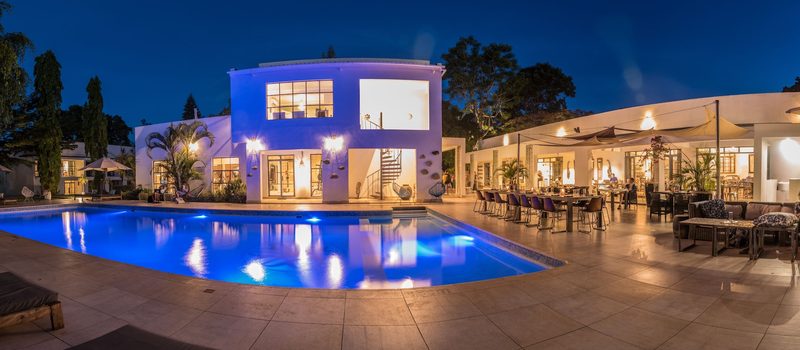
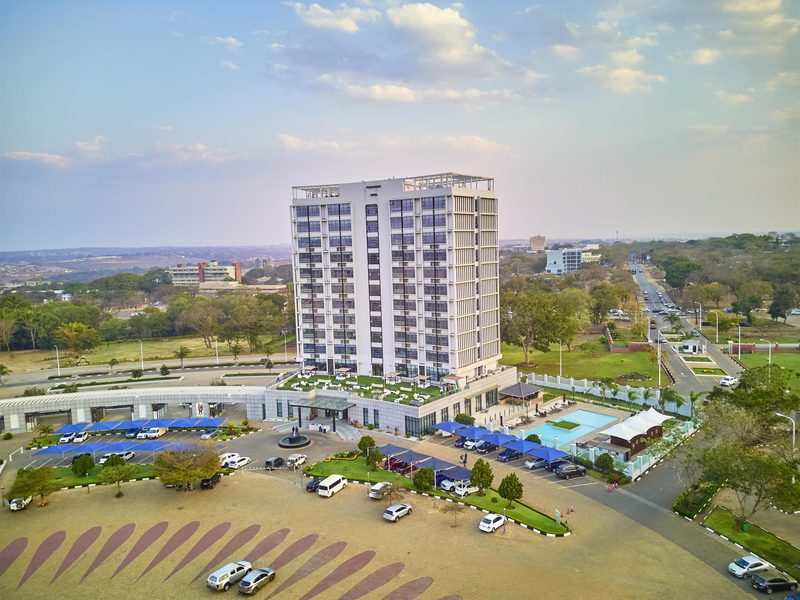
Hand-picked hotels across price tiers for November travellers.
Packing Checklist
Bookmark this page — your progress is saved between visits
Need the full list with shopping links?
Climate-specific gear, brand recommendations, and what to leave at home.
View Lilongwe Packing List →Essential Tips
Insider knowledge and common pitfalls to avoid
Insider Knowledge
Lilongwe's numbered Area system confuses newcomers. Learn it anyway. It is the most reliable navigation method. Area 3 holds the commercial heart, banks, and shops. Area 47 hosts Lilongwe's nightlife. Open-air bars and grilled meat vendors line the main road after dark. Area 18 is middle-class residential. Taxi drivers navigate by area number, not street name. Learn the numbers for your accommodation and destinations.
The Old Town south of the river and the Capital City north of it feel like two different places, and in November that gap widens. The Old Town's unpaved lanes flood more easily, its market stalls smell more intensely of drying fish and overripe fruit in the humidity, and its energy is rawer and more Malawian. Most foreign visitors stay in the Capital City area near the embassies and never cross the river. Cross it. The river divides more than geography. It separates observation from experience.
November mangoes sold along the M1 and at Old Town market are at their best when bought from the women sitting under trees with small piles arranged on cloth, not from the larger commercial stalls. The smaller sellers typically pick that morning from their own trees. Look for mangoes that give slightly when pressed and smell sweet at the stem end. A ripe boer mango eaten warm from the sun is one of the best food experiences Lilongwe offers. Skip the supermarkets. Find the women under the trees.
Lilongwe's nightlife, such as it is, centres on Area 47 and a handful of spots near the Crossroads Hotel junction. In November, the outdoor bars come alive on Friday and Saturday nights with Malawian music, cold Green or Carlsberg beer, and grilled chambo (Lake Malawi tilapia) served on newspaper. The atmosphere is welcoming to foreigners but operates on Malawian social norms. Dress reasonably, don't flash expensive gear, and engage with the people around you rather than treating the evening as something to observe from a distance. Participate. Don't perform.
Avoid These Mistakes
Underestimating malaria risk because Lilongwe feels urban and sits at altitude. The city is lower risk than the lakeshore, true, but November's rains create breeding pools everywhere, and cases spike through the wet season. Travelers who skip prophylaxis because they think a capital city is safe learn otherwise. Take the pills. The altitude does not protect you.
Trying to drive between Lilongwe and Lake Malawi on secondary roads after heavy rain without a 4x4. The M14 highway is fine. But the moment you turn off onto lakeshore access roads, unpaved surfaces become dangerous when wet. Budget for a proper vehicle or a private transfer rather than a cheap rental sedan. The lakeshore will wait. Getting stuck will not.
Spending all their time in the Capital Hill area around the embassies and international hotels, which gives a sanitised, almost suburban impression of Lilongwe that has little to do with how the city lives. The Old Town, the river corridor, and the residential areas are where the texture and personality of Lilongwe exist. You cannot understand this city from Capital Hill any more than you could understand London from Canary Wharf. Leave the bubble. Walk south.
Ready to plan your trip to Lilongwe?
Now that you've got the research covered, here's where to go next.
Explore More Activities in Lilongwe
Didn't see anything interesting yet?
Browse Viator's full catalog of tours, day trips, food experiences, and private guides in Lilongwe.
See All Lilongwe Tours on Viator