Things to Do in Lilongwe in June
June weather, activities, events & insider tips
Low Season · Budget Friendly
June Weather in Lilongwe
Long-run averages for June
74°F (23°C)
High Temp
48°F (9°C)
Low Temp
0.0 inches (0 mm)
Rainfall
63%
Humidity
8
Sunny-Day UV
⚠ Nighttime temperatures hit 9°C (48°F). Many guesthouses and mid-range lodges lack heating. Hypothermia is unlikely. Uncomfortable sleep is common. Request extra blankets on arrival. Pack a lightweight sleeping bag liner. Prepare or suffer.
⚠ Dry-season dust and bush fires hurt air quality. Kanengo industrial area and unpaved roads suffer most. Asthma? Carry medication. Consider a dust mask for market visits. The air can turn.
⚠ ESCOM outages strike without warning. They last hours. Charge devices during daylight. Carry a headlamp. Streets between commercial areas go dark. Navigation becomes hazardous. Plan for blackouts. They will come.
Is June Right for You?
Weigh the advantages and considerations before booking
Advantages
- + Zero rainfall throughout June makes every day plannable, no scrambling for indoor alternatives, no cancelled game drives, no mud-locked roads to Dzalanyama. You wake up to cloudless skies over the Lilongwe River valley and they stay that way until the sun drops behind the Dedza escarpment around half past five.
- + Cooler daytime temperatures around 23°C (74°F) mean you can walk Lilongwe's sprawl without the drenching sweat of the wet season. The stretch from Old Town through the Nature Sanctuary to Area 47 is roughly 8 km (5 miles), and in June you can cover it mid-morning without wilting. By contrast, try that same walk in January's 26°C (79°F) with 82% humidity and you'll bail at the Parliament roundabout.
- + Dry season thins the bush and concentrates wildlife near permanent water, making the Lilongwe Wildlife Centre's residents far easier to spot along the Lingadzi River corridor. Hyenas, crocodiles, and the centre's rehabilitated primates move predictably between the remaining pools. Birding sharpens too, migratory species have departed, so what remains is Malawi's resident roster at its most visible against bare miombo canopy.
- + Mosquito activity drops noticeably with the dry air and cooler nights, which lowers malaria transmission risk. You still need prophylaxis and repellent. But June is as comfortable as Lilongwe gets for travelers anxious about the disease. The 9°C (48°F) nights suppress the insects in a way that the wet months never manage.
Considerations
- − Nights plunge to 9°C (48°F) and most mid-range accommodation in Lilongwe lacks central heating. Some guesthouses in Areas 43 and 47 offer space heaters on request. But many simply hand you an extra blanket. If you run cold, those predawn hours between four and six feel frigid, not what most people expect from a country they mentally filed under 'tropical Africa.'
- − The accumulated dust of three dry months coats everything by June. Red laterite haze hangs over the Kanengo industrial corridor and the unpaved roads through Areas 23 and 25 kick up grit that sticks to your skin, settles in your camera bag, and gives the sunset a hazy, diffused quality. People with respiratory sensitivities will notice it, and contact lens wearers might want to switch to glasses for market days.
- − June falls outside the international holiday calendar and well before the July-August southern African safari peak, so Lilongwe feels quieter than usual, which can tip from peaceful into lonely. Some seasonal restaurants near the lakeshore reduce hours or close, and the expat social calendar thins as NGO workers travel for mid-year leave. Nightlife, already modest by any capital city standard, contracts further.
Best Activities in June
Top things to do during your visit
June hits Lilongwe with bone-dry air and a coolness that catches first-timers off guard. After months of green-season downpours that can dump over 200 millimetres in a single month, the capital enters its driest stretch: not a drop of rain falls, the sky hardens into an unbroken ceramic blue, and daytime temperatures settle around 23 degrees Celsius. Mornings carry a genuine chill, dipping close to 9 degrees before dawn. The Lilongwe River, swollen and muddy through March, now runs shallow and clear through its channel in the Nature Sanctuary, exposing smooth river stones and drawing wading birds to its banks. This is when Lilongwe feels most navigable. Dust replaces mud on the unpaved roads of the Old Town, where the large Kamuzu Central Market hums from sunrise with the clatter of wooden stalls and the sharp smell of dried kapenta fish stacked in neat silver pyramids. The jacaranda trees that line the wide avenues of the New Town have dropped their purple carpets and stand bare-limbed, opening sightlines across the city's low skyline toward the Dzalanyama Range to the southwest. Nights cool enough for a blanket make dining outdoors at the restaurants clustered around Area 43 and Area 47 pleasant, the charcoal smoke from grilled chambo drifting across tables while the sky overhead stays clear enough to pick out the Southern Cross. For travellers weighing when to visit, June lands in a sweet window: the landscape has dried out enough for comfortable overland travel to Lake Malawi or Blantyre, and the winter light, low and golden by late afternoon, turns even the concrete sprawl of the capital into something photogenic.

Lilongwe City Tour (full day)
day_tripThe Lilongwe City Tour spans a full day and threads through both the Old Town and the New Town, two halves of the capital that feel like separate cities stitched together by the Lilongwe River. In the Old Town, the tour moves through the dense, loud corridors of Kamuzu Central Market, where the tang of ripe mangoes mixes with the earthy smell of dried tobacco leaves and vendors call out prices for chitenje fabric in rapid Chichewa. The New Town side shifts the register entirely: wide, quiet boulevards pass the parliament building, diplomatic residences, and the timber-and-thatch crafts market at the Lilongwe Wildlife Centre, where hand-carved wooden chairs and soapstone animals line the stalls.
This is the most efficient way to grasp how Lilongwe holds two distinct urban identities, guided by someone who can translate the layered commerce of the Old Town and unlock gates that independent visitors walk past.
Insider tip: Ask your guide to include the tobacco auction floors on the southern edge of town. Even outside auction season, the cavernous warehouses still carry the sweet, cured-leaf smell and the guide can explain Malawi's economic backbone in a way no museum manages.

Private transfer from Lilongwe, Malawi to Lake Malawi, Blantyre, or Mzuzu
transportThe private transfer from Lilongwe to Lake Malawi, Blantyre, or Mzuzu replaces what would otherwise be a long ride on a cramped minibus with a direct, door-to-door journey in a private vehicle. The drive to the lakeshore at Salima or Senga Bay takes roughly two hours east through flat tobacco country, the fields now stubbled and golden-brown in June's dry season, with baobabs standing solitary against the pale sky. The Blantyre route heads south through the Dedza highlands, where the air cools further and eucalyptus plantations release a mentholated sharpness through the open windows, while the Mzuzu route north is the longest haul, crossing into the tea-and-coffee country around Nkhata Bay.
Malawi's intercity bus network is functional but unpredictable, and this transfer turns a potentially gruelling transit day into a comfortable ride with flexible departure times and stops where you choose them.
Insider tip: If heading to Lake Malawi, request the Salima road rather than the M1 highway through Dedza. It is shorter, the tarmac is decent in dry season, and you pass through villages where roadside vendors sell roasted maize cobs still warm from the coals.

Cultural Tour of Lilongwe (Malawi)
guided_experienceThe Cultural Tour of Lilongwe walks visitors into the fabric of daily life that most travellers in transit to the lake or the national parks never encounter. The route passes through residential neighbourhoods where the rhythmic thud of wooden mortars pounding maize into flour echoes between houses, stops at a local nsima kitchen where the starchy, slightly sour smell of fermenting maize hangs in the warm air, and includes time at a community workshop where artisans carve masks and figures from dark mphingo wood, the shavings curling off the blade in fragrant spirals. This is Lilongwe experienced at the pace of the people who live here, not the pace of a checklist.
No other offering in the city gets you inside a working household kitchen or a woodcarving workshop with the kind of access that turns a capital-city stopover into genuine cultural contact.
Insider tip: Wear closed-toe shoes with grip. Several stops involve walking on uneven, dusty paths between houses, and the fine laterite soil in Lilongwe turns slippery on the smooth soles of sandals, on the shaded slopes near the river.
Where to Stay in Lilongwe in June
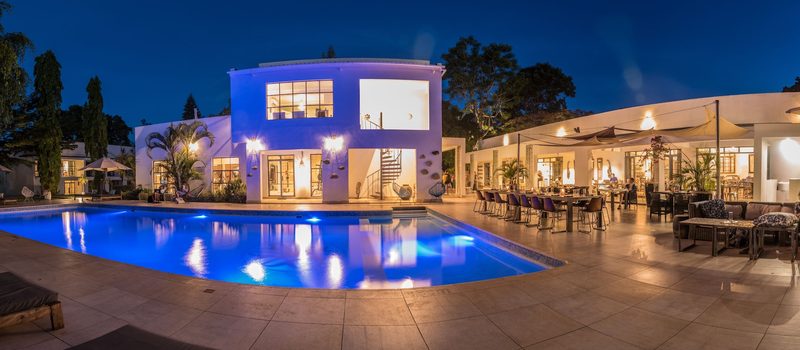
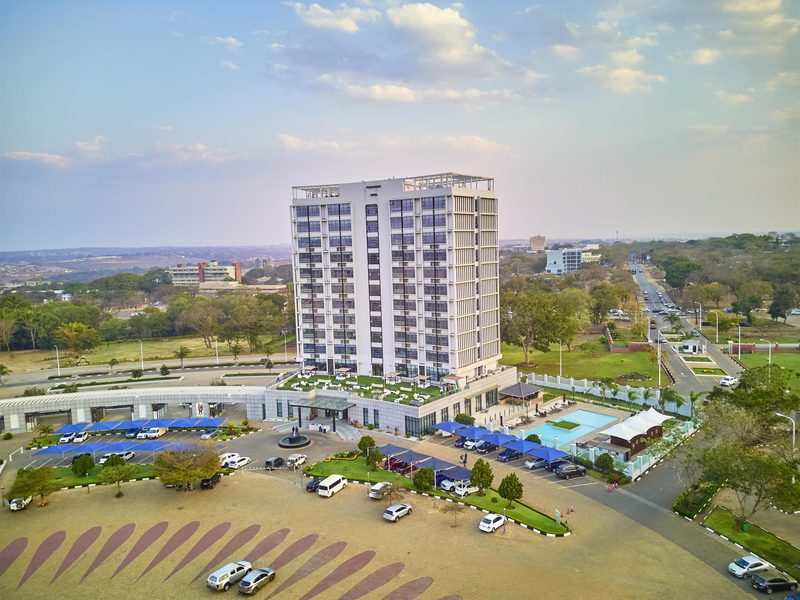
Hand-picked hotels across price tiers for June travellers.
Packing Checklist
Bookmark this page — your progress is saved between visits
Need the full list with shopping links?
Climate-specific gear, brand recommendations, and what to leave at home.
View Lilongwe Packing List →Essential Tips
Insider knowledge and common pitfalls to avoid
Insider Knowledge
Lilongwe sprawls across numbered Areas that follow no intuitive sequence. The distance between Old Town (Areas 1-3) and the commercial hub of Area 47 is about 8 km (5 miles) of stop-start traffic. Most first-timers assume the city is walkable because it is the capital. It is not, at least not efficiently. Base yourself near Area 47 if you want restaurants and services. Choose Old Town if you want atmosphere. Do not stay in between, where the road infrastructure is a dusty no-man's land of half-finished junctions and minibus chaos.
The best eating in Lilongwe in June happens at the roadside braziers that appear around 5 PM as the temperature drops. Look along the road between Area 18 and Area 47. Find the vendors grilling chambo (a Lake Malawi tilapia species) over charcoal. The skin crisps to a papery crackle. The flesh underneath stays moist and faintly smoky. The fish arrives on a sheet of newspaper with nsima (maize porridge, dense and slightly sour) and a heap of mustard greens cooked in groundnut flour. It is better than anything in a sit-down restaurant. The cool June evening air makes standing around a charcoal fire with a bottle of Carlsberg Green pleasant.
June is exam season at the University of Malawi's Lilongwe campus. The city's younger population is largely indoors studying. The bars and nightlife spots in Area 47, already modest, thin out further. Time your visit for the last week of June if you want a livelier social atmosphere. Exams finish then. The campus population spills back into the restaurants and drinking spots along the Paul Kagame Highway.
The Lilongwe Nature Sanctuary follows the Lingadzi River through the city centre. Tourists constantly conflate it with the Wildlife Centre. It is free to walk. In June the river runs low enough that you can see the smooth granite riverbed beneath the remaining pools. The sanctuary's indigenous woodland is one of the only places in the city where the air smells of something other than dust and diesel. Arrive early morning, before 7 AM. You might have the entire trail to yourself. In a city of over a million people, this feels improbable and earned.
Avoid These Mistakes
Avoid packing for tropical heat and leaving the warm layers at home. Lilongwe sits at roughly 1,050 m (3,445 ft) elevation. June nights at 9°C (48°F) feel nothing like the equatorial Africa most visitors imagine. Every year, tourists end up buying fleeces from the secondhand clothing stalls in Old Town market. They packed as if they were heading to the coast. Bring a jacket you would wear in a mild European autumn.
Do not assume Lilongwe has the tourism infrastructure of Nairobi or Cape Town. There are no hop-on-hop-off buses. There are no well-marked walking trails through the city. The minibus network (the blue-and-white matolas) operates on routes that make sense only if you already know them. Arrange transport through your accommodation or a licensed operator before you arrive. Do this for the Lake Malawi excursion. The return drive happens after dark on a road with no lighting.
Do not treat Lake Malawi as an afterthought day-trip squeezed into the last afternoon. The lake is the entire reason half of Malawi's visitors come to the country. Rushing a two-and-a-half-hour drive each way plus meaningful time on the shore into a single afternoon leaves you exhausted, sunburnt, and disappointed. Commit to an overnight at Senga Bay. Or leave Lilongwe at dawn. Anything else wastes the journey.
Ready to plan your trip to Lilongwe?
Now that you've got the research covered, here's where to go next.
Explore More Activities in Lilongwe
Didn't see anything interesting yet?
Browse Viator's full catalog of tours, day trips, food experiences, and private guides in Lilongwe.
See All Lilongwe Tours on Viator