Things to Do in Lilongwe in January
January weather, activities, events & insider tips
Low Season · Budget Friendly
January Weather in Lilongwe
Long-run averages for January
79°F (26°C)
High Temp
64°F (17°C)
Low Temp
8.8 inches (224 mm)
Rainfall
82%
Humidity
15
Sunny-Day UV
⚠ January is peak rainy season with the heaviest monthly rainfall Lilongwe receives. Afternoon storms can be intense, with lightning, strong winds, and localized flooding on unpaved roads. Flash flooding in low-lying parts of the city, around the Lilongwe River and in Areas 18, 25, and 36, occurs after sustained heavy rain.
⚠ Peak malaria transmission season. Standing water from frequent rains creates breeding sites across the city. Prophylaxis, repellent, and long clothing from dusk onward are essential, not precautionary.
⚠ Road conditions between Lilongwe and secondary towns deteriorate significantly in January. Unpaved sections can become impassable after heavy rain, and even paved highways may have flooded stretches. Allow extra travel time. Confirm conditions before departing.
Is January Right for You?
Weigh the advantages and considerations before booking
Advantages
- + Lilongwe transforms. The dry season vanishes completely. The Lilongwe Nature Sanctuary floods with deep, saturated green. The Lilongwe River surges with real force now. The miombo woodland canopy thickens overhead until walking beneath it feels like entering another climate zone entirely. Birders win big here. Migratory species from central and eastern Africa arrive to join residents. Weaver and sunbird breeding plumage hits peak extravagance. Worth timing your visit for this alone.
- + January means low season. Genuine availability opens up at the few guesthouses and lodges worth your money around Old Town and along the M1 corridor toward Salima. No competition for beds. No competition for tables. No competition for guides. The Lilongwe Wildlife Centre, cramped with school groups in dry months, often belongs to you and perhaps five other visitors. Booking windows collapse from weeks to days. Plan accordingly.
- + Fruit season peaks now. Mango trees along Area 3 and Area 47 roadsides sag under their load. Lilongwe Main Market stalls pile high with papaya, guava, and small Malawian bananas whose intense sweetness bears zero resemblance to supermarket fruit elsewhere. Nsima with freshly caught chambo from Lake Malawi appears more frequently on menus as rains improve road conditions between Salima and the capital. Eat well in January.
- + Mornings at 17°C (64°F) make January comfortable for walking Lilongwe's large layout. Between roughly 6 AM and 9 AM, before humidity climbs, the air carries freshness that October heat never delivers. Light at that hour, filtered through rain-washed atmosphere, renders red laterite soil and green vegetation almost unreasonably vivid. Pack a camera. Skip the afternoon walks.
Considerations
- − This is the wettest month. At 224 mm (8.8 inches), rain structures every single day. Storms build through late morning and break hard in the afternoon. Two hours of rain can transform Old Town unpaved roads into ankle-deep red mud. Driving to Dedza or the lakeshore? Add buffer days. Road conditions between Lilongwe and secondary towns deteriorate noticeably. Flexibility matters here.
- − Mosquitoes explode in standing water across the city. January marks peak malaria transmission season in Lilongwe and central Malawi. Prophylaxis is mandatory. Even with it, mosquito swarms at dusk around the Lilongwe River and in lower-lying Area 18 and Area 25 demand long sleeves and strong repellent from 4:30 PM onward. Do not skip this. Pack both.
- − Infrastructure struggles. Power outages multiply as the already unreliable electrical grid absorbs storm damage. Mobile data speeds drop. Remote lodges outside the city sometimes lose road access for a day or two after heavy downpours. Nothing catastrophic occurs. Everything demands flexibility that travelers accustomed to predictable itineraries may find frustrating. Adjust your expectations.
Best Activities in January
Top things to do during your visit
January drops Lilongwe into the deep green heart of the rainy season. Average highs sit around 26°C (79°F). Afternoon downpours deliver roughly 224 mm of rain across the month, more than any other time of year. Mornings start warm and overcast. The air carries the smell of damp red earth and woodsmoke drifting from neighbourhood cooking fires. By midday the clouds often thicken into towering grey columns. The rain arrives with a percussive roar on corrugated rooftops. It silences conversation for twenty minutes at a stretch. When it passes, the city exhales. Puddles steam on tarmac. Frangipanis drip. The green intensifies in a way that makes the dry-season palette of October seem like a faded photograph. Lilongwe's rhythm in January is shaped by this cycle of heat, rain, and release. The capital's two centres both slow their pace in wet afternoons. Old Town sits near the market. Capital Hill holds the government district. Vendors in the Old Town market cover their stalls with tarpaulins when the sky darkens. They pick up again once it clears. The sharp tang of fresh mangoes and guavas mixes with charcoal smoke from grilled maize sellers who never seem to stop. If you are visiting around New Year, the city carries a relaxed, post-holiday ease. Families gather. Restaurants fill with groups lingering over nsima and chambo. The streets feel unhurried rather than empty. There are no major verified festivals or public events specific to January. The experience is the everyday Lilongwe. That is exactly the point. You see the capital as residents live it, not as it performs for a calendar occasion. For travellers wondering what to do on a rainy day, Lilongwe rewards the flexible. The Lilongwe Wildlife Centre sits in a patch of riverine forest on the edge of the city. It is lush and navigable even in drizzle. Restaurants in the Area 3 and Area 10 neighbourhoods serve long, conversational lunches. The city's guided experiences lean toward cultural immersion rather than sightseeing checklists. They are designed for close quarters and conversation. Rain rarely cancels them. Safety in Lilongwe is comparable to other mid-sized African capitals. Standard urban awareness applies. The central areas are well-travelled and approachable during daylight. Evenings in the Area 10 and Old Town quarters offer a modest but genuine nightlife scene. You'll find quiet bars with Carlsberg Green on draught. You'll find spots playing Malawian gospel and dancehall until late. Dining ranges from local vendors selling smoky, charcoal-grilled chicken with a squeeze of lemon to sit-down restaurants where the chambo is pan-fried with a crisp, golden skin. It is served alongside creamed pumpkin leaves that taste faintly of nutmeg.

Lilongwe City Tour (full day)
day_tripThe Lilongwe City Tour spans a full day. It earns that duration. It threads through both the Old Town, where the central market overwhelms the senses with stacked pyramids of dried fish, the fermented bite of thobwa brewing in plastic buckets, and fabric sellers calling out from behind walls of chitenje cloth, and the quieter government precinct of Capital Hill, where the wide avenues and institutional architecture tell a different story about Lilongwe's post-independence ambitions. The tour reaches the Lilongwe Wildlife Centre and the shores of the Lilongwe River, swollen and ochre-brown in January, winding through miombo woodland where you can hear the drilling call of barbets overhead.
A single-day arc that connects Lilongwe's market-floor commerce, its political geography, and its pockets of riparian wildness in a sequence no self-guided walk could replicate.
Insider tip: Ask your guide to stop at the Old Town market before noon, when the fruit vendors have the fullest selection and the light slants through the corrugated awnings in a way that transforms the aisles into something cinematic.
This month: January's heavy rainfall (224 mm on average) means outdoor portions of the tour may be interrupted by downpours. Waterproof layers and closed-toe shoes with grip are essential rather than optional.

Private transfer from Lilongwe, Malawi to Lake Malawi, Blantyre, or Mzuzu
transportThe Private Transfer from Lilongwe connects the capital to Lake Malawi, Blantyre, or Mzuzu. In January the journey itself becomes part of the experience. The road to Lake Malawi descends from Lilongwe's plateau through tobacco country and mango orchards. The roadside is thick with green foliage and rain-fed streams crossing beneath small bridges. Arriving at the lakeshore after two to three hours, you step out into air that feels heavier and warmer than the capital. The water stretches flat and silver under overcast skies. It smells faintly of algae and wet sand. The Blantyre route heads south through Dedza, where the highland air cools and the landscape shifts to pine plantations and granite outcrops slick with rain.
A private vehicle eliminates the unpredictability of Lilongwe's minibus network and turns the transit into a curated window on Malawi's changing terrain between city, highland, and lakeshore.
Insider tip: If heading to Lake Malawi, request a brief stop at the Dedza Pottery outside Dedza town. The workshop sits in a quiet garden, and the hand-thrown ceramics make the most distinctive purchase you will find in Malawi.
This month: January rains can degrade sections of the M1 and lakeshore access roads; a private vehicle with a knowledgeable driver navigates washouts and detours that would strand a rental car.

Cultural Tour of Lilongwe (Malawi)
guided_experienceThe Cultural Tour of Lilongwe strips away the windshield. It puts you on foot and in conversation. This guided experience moves through neighbourhoods where daily life is conducted in the open. Women pound maize in wooden mortars with a rhythmic thud that carries across courtyards. Children chase each other through lanes of red-clay houses. The sweet, slightly smoky scent of roasting groundnuts drifts from a charcoal brazier set up at a crossroads. The tour introduces Chewa cultural practices, local craftsmanship, and the social architecture of Lilongwe's residential quarters. These are the parts of the city that no taxi or self-guided walk penetrates with any understanding.
Where the city tour maps Lilongwe's geography, this one maps its social fabric, placing you inside households and workshops where the texture of daily Malawian life is tangible rather than observed from a vehicle window.
Insider tip: Wear comfortable, modest clothing that covers your knees and shoulders. You will be welcomed into homes and community spaces where this is both respectful and appreciated, and your host families will be far more forthcoming in conversation when the gesture is noticed.
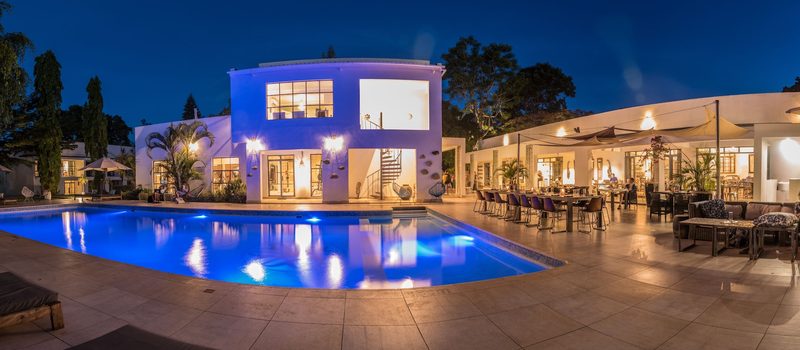
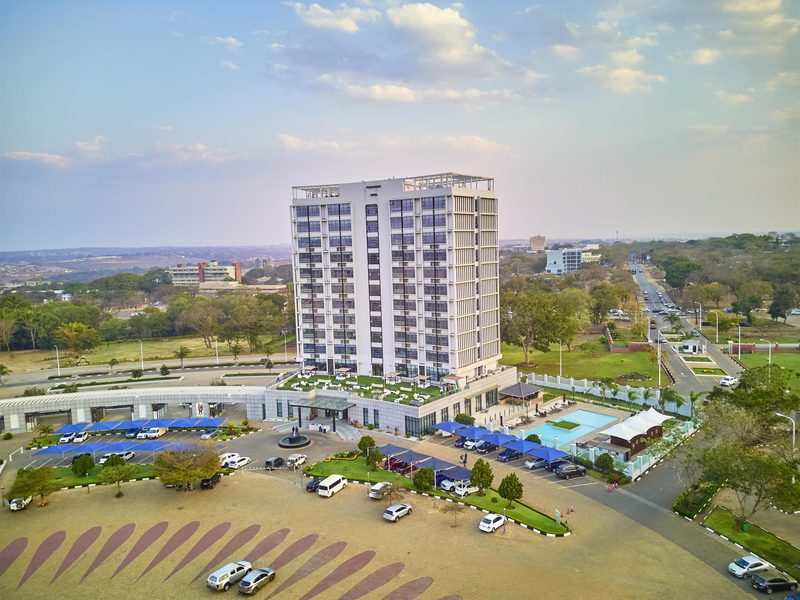
Where to Stay in Lilongwe in January
Hand-picked hotels across price tiers for January travellers.
Public Holidays in January
Dates that affect opening hours, transport and crowds
New Year's Day
Observed nationwide as a public holiday.
John Chilembwe Day
Observed nationwide as a public holiday.
New Year's Day
Observed nationwide as a public holiday.
John Chilembwe Day
Observed nationwide as a public holiday.
Packing Checklist
Bookmark this page — your progress is saved between visits
Need the full list with shopping links?
Climate-specific gear, brand recommendations, and what to leave at home.
View Lilongwe Packing List →Essential Tips
Insider knowledge and common pitfalls to avoid
Insider Knowledge
The best time to do anything outdoors in Lilongwe in January is between 6 AM and 10 AM. The air is cooler, the humidity has not yet built to its midday peak, and the storms that typically arrive in the afternoon are still hours away. Locals who work outside, farmers and market vendors, operate on this rhythm instinctively. Match it and your days will feel twice as long and half as exhausting.
Lilongwe is two cities separated by several kilometres of the M1 highway. The Old Town around Areas 1 through 4 is where the markets, the mosque, and the older residential neighborhoods sit, and it has the texture and noise of a Malawian town that happens to be the capital. The New Town around Capital Hill and City Centre is where the government buildings, embassies, and shopping complexes like Old Town Mall and Crossroads are located. First-timers often stay in one and never properly explore the other. You want time in both.
If you are heading to Lake Malawi from Lilongwe in January, check road conditions the morning of departure with your driver or guesthouse, not the night before. A heavy overnight rain can change the state of the Salima road between dinner and breakfast. Malawian drivers who work this route regularly know the flood-prone dips by heart, which is reason enough to use a local operator rather than a rental car.
Area 47 is where Lilongwe goes out at night, and in January the outdoor bars and music venues have a loose, end-of-holiday atmosphere that is more relaxed than the weekend party energy of the dry season. The music tends toward Malawian gospel-influenced pop and South African amapiano, and the food stalls along the main drag serve grilled chicken and nsima that is better at 11 PM than most of what you will find at lunchtime. Go on a Friday or Saturday. Mind your belongings in crowds but do not let safety anxiety keep you from one of the most fun nights Lilongwe offers.
Avoid These Mistakes
Packing only for heat and forgetting that January evenings in Lilongwe drop to 17°C (64°F). After a day at 26°C (79°F) and 82% humidity, that temperature drop feels sharper than the numbers suggest. A light fleece or long-sleeve layer for evenings saves you from being the shivering tourist at an outdoor restaurant.
Trying to drive between cities on secondary roads without local knowledge. The M1 and M14 are generally passable in January. But the smaller roads connecting Lilongwe to places like Dzalanyama or Ntchisi can become impassable after sustained rain. Travelers who rent a vehicle and rely on GPS navigation alone have ended up stuck in mud with no mobile signal. Use a local driver or at minimum confirm conditions that morning.
Underestimating distances within Lilongwe itself. The city sprawls across a surprisingly large area with no real public transit system to speak of beyond minibuses that follow unpredictable routes. Walking from the Old Town to City Centre takes well over an hour in the January heat. Arrange transport between areas rather than assuming everything is walkable, and factor in the time it takes to find a minibus or negotiate a ride.
Ready to plan your trip to Lilongwe?
Now that you've got the research covered, here's where to go next.
Explore More Activities in Lilongwe
Didn't see anything interesting yet?
Browse Viator's full catalog of tours, day trips, food experiences, and private guides in Lilongwe.
See All Lilongwe Tours on Viator