Things to Do in Lilongwe in August
August weather, activities, events & insider tips
Low Season · Budget Friendly
August Weather in Lilongwe
Long-run averages for August
76°F (24°C)
High Temp
50°F (10°C)
Low Temp
0.0 inches (0 mm)
Rainfall
49%
Humidity
10
Sunny-Day UV
⚠ Bush and grass fires from seasonal land clearing can produce localised smoke haze, in late August. Air quality on still mornings may deteriorate near agricultural areas on the city's outskirts. A faint smoke smell indoors is common even in central Lilongwe. Bring eye drops.
⚠ Nighttime temperatures around 10°C (50°F) combined with unheated accommodation catch visitors off guard. Hypothermia is unlikely. Disrupted sleep from cold is common among unprepared travelers, in budget lodges with thin bedding and no hot water. Pack accordingly.
Is August Right for You?
Weigh the advantages and considerations before booking
Advantages
- + Zero rainfall and 49% humidity make August one of Lilongwe's driest, clearest months. Plan every day outdoors without a rain contingency. The light between 4 PM and sunset turns the city's red-earth roads and msasa woodland into something a photographer would invent if nature hadn't done it first.
- + Temperatures sit in a sweet spot that most visitors from hotter climates find pleasant. Daytime highs around 24°C (76°F) mean you can walk Lilongwe's Old Town markets or hike Dzalanyama's ridgelines without the sweat-soaked exhaustion that the December wet season delivers. Mornings carry a crispness that feels more like high-altitude Mediterranean than sub-Saharan Africa.
- + Wildlife viewing across Malawi peaks in August. Animals concentrate around shrinking water sources, foliage thins to bare branches, and game drives at reserves within day-trip range of Lilongwe become dramatically more productive. The Lilongwe Wildlife Centre's sanctuary along the Lingadzi River is easier to walk in cool, dry conditions, and the resident hyenas, crocodiles, and primates are more visible without dense undergrowth.
- + Lilongwe sees relatively few international visitors even in its peak dry months, so you're unlikely to compete for anything. Accommodation availability stays open, cultural tours run without crowds, and you can explore the city's quieter corners, the diplomatic quarter's jacaranda-lined avenues or the artisan workshops in the Old Town, at your own pace.
Considerations
- − The landscape is parched. Grass has gone straw-yellow, many trees stand leafless, and a fine ochre dust coats everything: your shoes, your camera bag, your throat by mid-afternoon. If you came expecting tropical green, August Lilongwe will look stark. It has its own austere beauty. But you need to be ready for brown.
- − Nights get properly cold, dropping to around 10°C (50°F) and occasionally lower on the outskirts. Most budget and mid-range guesthouses in Lilongwe lack central heating, and some don't provide adequate blankets. You'll want layers and a warm fleece for after dark, which catches first-time visitors off guard since they packed for an African trip expecting heat.
- − Dust and smoke from seasonal bush clearing can haze the sky, in late August. It rarely reaches the severity of Southeast Asian burning seasons. But sensitive travelers might notice throat irritation or reduced visibility toward the horizon, on still mornings before the breeze picks up.
Best Activities in August
Top things to do during your visit
August settles over Lilongwe like a long exhale. The rains that drench the capital from November through March are months gone. The landscape has dried into ochre grasslands and bare msasa trees under skies so pale they look bleached. Daytime temperatures hover around 24 degrees Celsius, warm enough for a single layer but never oppressive. Nights drop sharply toward 10 degrees, cold enough to make you reach for a fleece if you are walking back from one of the open-air restaurants along Paul Kagame Road after dark. This is the driest stretch of the year, with zero recorded rainfall on average. The air carries a faint mineral edge from the red laterite soil that powders every unpaved road in the city. For travelers arriving from the humidity of coastal East Africa, Lilongwe in August feels startlingly crisp. The city operates in two distinct halves that even long-term residents treat as separate towns. Old Town, centered on the sprawl of Lilongwe Market, smells of dried kapenta fish, charcoal smoke, and the faintly sweet tang of overripe mangoes stacked in woven baskets. New Town, a few kilometers north along the M1, holds the government buildings, embassy compounds, and a handful of shopping centers where expats and Malawian professionals eat nsima with chambo or sip Carlsberg Green at rooftop bars. August is the cool dry season, and Lilongwe's outdoor social life peaks: families gather in the gardens of Area 47, smoke rises from braai stands along the Lingadzi River corridor, and the pace of walking slows in the late afternoon as the sun drops toward the Dzalanyama hills to the west. If you are wondering whether the capital is safe for visitors, the answer is broadly yes for daytime exploration on foot, with the usual precautions about unlit streets after dark and keeping valuables out of sight in market crowds. What makes Lilongwe worth more than a transit stop on the way to Lake Malawi is how it lets you see the country's daily rhythms without performance. Nobody is staging anything for tourists here. The minibus conductors shouting destinations from the depot at Area 2, the women selling roasted groundnuts wrapped in newspaper outside Old Town Mall, the sound of gospel music drifting from a church hall on a Wednesday evening: this is the texture of a working African capital, and August's dry, comfortable weather makes it the most pleasant month to walk through it slowly.

Lilongwe City Tour (full day)
day_tripThe Lilongwe City Tour covers the full span of the capital in a single day, moving between Old Town and New Town with a guide who can explain why those two halves developed separately and what the political geography means for ordinary Malawians. You will walk through Lilongwe Market, where the sharp smell of dried fish and wood smoke mingles with the soft rustle of chitenje fabrics being unfolded for inspection, and then cross into the quieter precincts of the government district, where jacaranda-lined avenues feel almost suburban. The tour typically includes the Parliament Building, the Lilongwe Wildlife Centre, and a stop at a local restaurant for nsima, the stiff maize porridge that forms the backbone of every Malawian meal, served with a relish whose heat builds slowly at the back of your throat.
A single guided day that covers both the raw commercial energy of Old Town and the political heart of New Town, giving you a reading of Lilongwe that would take a week to piece together alone.
Insider tip: Ask your guide to route the market visit for late morning rather than first thing, when the fish sellers have finished laying out their stock and the aisles are navigable without the shoulder-to-shoulder compression of the early wholesale hour.
This month: August's bone-dry conditions and mild daytime temperatures around 24 degrees Celsius make this the most comfortable month for a full day on foot, with no risk of the downpours that turn Old Town's unpaved lanes into red mud from December through March.

Private transfer from Lilongwe, Malawi to Lake Malawi, Blantyre, or Mzuzu
transportThe private transfer from Lilongwe to Lake Malawi, Blantyre, or Mzuzu solves the most practical problem facing any visitor to Malawi: the long, sometimes rough roads between the capital and the places you came to see. The drive to Lake Malawi's nearest shore at Salima or Senga Bay takes roughly two hours east on the M14, passing through tobacco-farming country where August reveals the bare, harvested fields in shades of tan and rust under a wide, cloudless sky. The route to Blantyre runs south for four to five hours through the Central Region's plateau, while the northern road to Mzuzu climbs through cooler highlands where the air thins and eucalyptus groves line the roadside, their medicinal scent sharp through the open window. A private vehicle with a knowledgeable driver means you stop when the landscape demands it, not when a minibus schedule allows.
Malawi's public transport network is functional but slow and unpredictable, and a private transfer turns what could be an eight-hour ordeal into a controlled, comfortable ride with stops wherever you want them.
Insider tip: If heading to Lake Malawi, request the route through Dedza rather than the direct M14 to Salima: the road is slightly longer but passes through higher ground with panoramic views of the Mozambican border hills and cooler air that keeps the car comfortable without air conditioning.

Cultural Tour of Lilongwe (Malawi)
guided_experienceThe Cultural Tour of Lilongwe moves at a pace that lets you absorb what you are seeing rather than ticking off landmarks from a vehicle window. This guided experience takes you into neighborhoods where Chewa cultural practices are still part of daily life, not museum exhibits: you may hear the low, resonant thud of a drum being tested before a ceremony, or watch women pounding maize in a wooden mortar with a rhythm so precise it sounds rehearsed but is simply muscle memory passed between generations. The tour includes conversations with local artisans, visits to community spaces, and enough context about Lilongwe's ethnic composition and post-independence development that the city starts to make sense as a place people chose to build, not just a dot on a map.
This is the tour that explains why Lilongwe became the capital instead of Blantyre and what that political choice means for the communities who live here now.
Insider tip: Wear closed-toe shoes with good grip. Several of the community visits involve walking on uneven ground and through areas where the red laterite dust will coat anything open-toed within minutes.
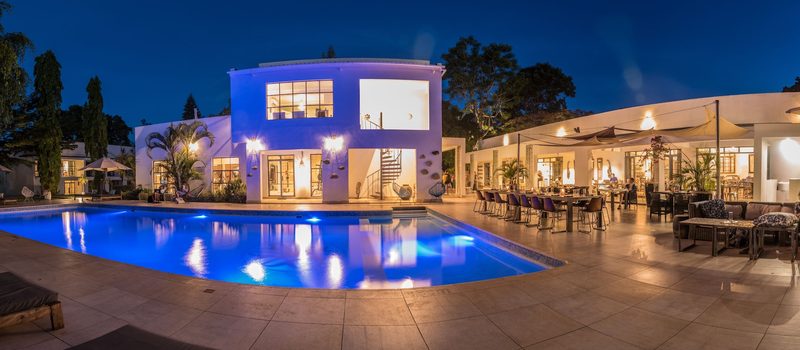
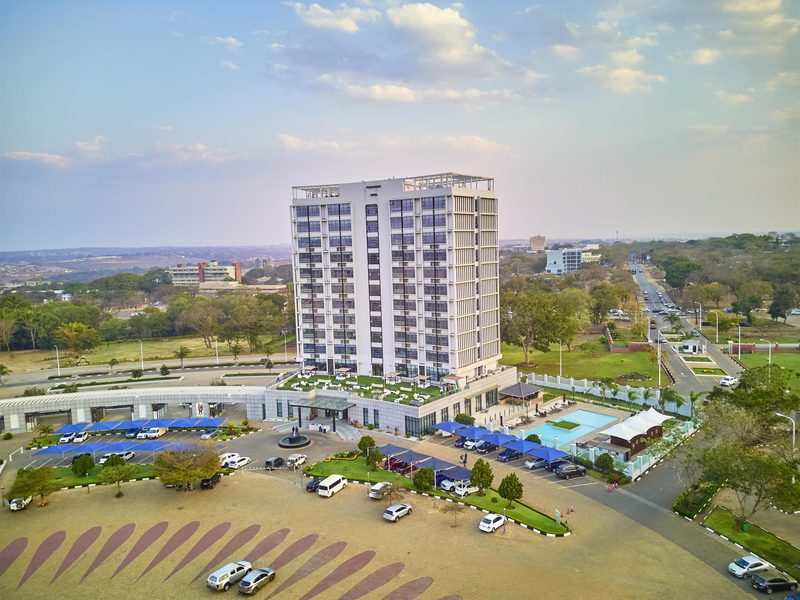
Where to Stay in Lilongwe in August
Hand-picked hotels across price tiers for August travellers.
Packing Checklist
Bookmark this page — your progress is saved between visits
Need the full list with shopping links?
Climate-specific gear, brand recommendations, and what to leave at home.
View Lilongwe Packing List →Essential Tips
Insider knowledge and common pitfalls to avoid
Insider Knowledge
Lilongwe operates on two centres that feel like different cities. Old Town, along the Lilongwe River, is the commercial and market heart where most daily life happens. Capital Hill, about 3 km (1.9 miles) west, is the government and diplomatic district. It is quieter, greener, and lined with jacarandas that are still bare in August but frame the wide avenues with architectural precision. Most first-time visitors only see one or the other. They miss the contrast that defines the city.
August is tobacco auction season's tail end. Lilongwe is the world's largest burley tobacco market. Drive past the auction floors near Kanengo and you'll catch the sweet, cured-leaf smell that saturates entire neighbourhoods. The auctions themselves are not formally open to tourists. Asking politely at the gate sometimes gets you a walkthrough. Understanding tobacco is understanding Malawi's economy at a level no guidebook covers.
Minibus transport around Lilongwe is cheap but chaotic. The routes are unmarked. If you're heading from Old Town to Area 3, the restaurant and nightlife district, the easiest approach is to ask your guesthouse to call a taxi or arrange a driver for the evening. Walking Area 3 after dark is fine on the main roads. The side streets are poorly lit. Carry your headlamp.
The best nsima you'll eat in Lilongwe is not at a restaurant. It's at a market stall in the Old Town where women cook over charcoal braziers, serving the maize porridge with a relish of dried fish or pumpkin leaves. The texture should be firm enough to roll into a ball with your right hand. If it's too soft or too stiff, the cook will tell you so before you say anything. August's dry conditions mean the charcoal burns hot and clean. The smoke that flavours the relish has a different character from the wet-season cooking. It is drier and sharper, almost like toasted grain.
Avoid These Mistakes
Packing for tropical heat and arriving to find mornings at 10°C (50°F). Lilongwe sits at roughly 1,050 m (3,445 ft) elevation. August is its cool dry season. First-time visitors expecting equatorial warmth end up buying fleeces at the Old Town market on day one. They pay more than they would have at home for lower quality.
Treating Lilongwe as just a transit point to Lake Malawi and spending zero nights. The city itself rewards a full day: the wildlife centre, the Old Town market, the quiet walk along the Lingadzi River, and an evening in Area 3 where Lilongwe's after-dark personality emerges over grilled chambo and cold Carlsberg Green. Rushing through to the lake means missing the capital entirely. Don't do it.
Assuming infrastructure works like a larger African capital. Lilongwe has intermittent power. ATMs that dispense cash reliably are limited. Mobile data coverage drops to nothing outside the city centre. Carry cash in small denominations. Download offline maps before you arrive. Do not rely on ride-hailing apps. They exist. Driver availability is thin.
Ready to plan your trip to Lilongwe?
Now that you've got the research covered, here's where to go next.
Explore More Activities in Lilongwe
Didn't see anything interesting yet?
Browse Viator's full catalog of tours, day trips, food experiences, and private guides in Lilongwe.
See All Lilongwe Tours on Viator