Things to Do in Lilongwe in March
March weather, activities, events & insider tips
Low Season · Budget Friendly
March Weather in Lilongwe
Long-run averages for March
79°F (26°C)
High Temp
62°F (17°C)
Low Temp
5.0 inches (127 mm)
Rainfall
80%
Humidity
15
Sunny-Day UV
⚠ Malaria risk is at its annual peak in Lilongwe during March. Prophylaxis is essential. DEET repellent should be applied from late afternoon onward every day without exception. Do not skip this.
⚠ Flash flooding can affect low-lying roads and underpasses after heavy afternoon downpours. Avoid crossing flooded sections on foot or by vehicle. The red laterite clay conceals both depth and current beneath muddy water. Turn back.
⚠ Unpaved roads between Lilongwe and destinations like Dzalanyama Forest Reserve or rural Lake Malawi access points may become impassable after sustained rain. Build flexibility into any day-trip plans. Confirm road conditions with your operator on the morning of travel. Check first.
Is March Right for You?
Weigh the advantages and considerations before booking
Advantages
- + Lilongwe's central plateau transforms completely during the rainy season. Four months of steady rain have closed the miombo woodland canopy at the Nature Sanctuary. The Lingadzi River runs full and fast. Even the roadsides between Area 18 and Old Town, usually dusty and bare, now carry thick green growth. The city feels unrecognizable from its dry season self. This is Lilongwe at its most dramatic.
- + Tourist numbers hit their yearly low in March. The Wildlife Centre, Kamuzu Mausoleum, and Old Town market feel local again. Accommodation rates fall well below dry season prices. You will probably be the only foreigner on any guided walk through the Nature Sanctuary. The city belongs to residents now. Visitors are scarce.
- + March rainfall eases from the January and February peaks. Lilongwe receives roughly 127 mm (5.0 inches) this month, down from 224 mm (8.8 inches) in January. Showers cluster in predictable afternoon windows. They rarely wash out entire days. Plan around the pattern. Mornings stay dry.
- + Birding peaks along the Lingadzi River corridor in March. Dzalanyama Forest Reserve, about 50 km (31 miles) southwest, draws serious birders deliberately. Migratory species from central and east Africa overlap with breeding residents in the flowering woodland canopy. Timing matters here. Visit now.
Considerations
- − Afternoon downpours still hit regularly between roughly 2 PM and 5 PM. They are heavy enough to stop any outdoor plan for an hour or more. Lilongwe's red laterite clay turns slick and sticky when wet. Unpaved roads in outer areas become seriously difficult after sustained rain. Plan accordingly. Stay flexible.
- − Mosquito populations peak in the warm, wet tail of the rainy season. Malaria risk in Lilongwe reaches its annual highest in March. Prophylaxis is essential, not optional. Carry DEET repellent from dusk onward every evening. No exceptions. Protect yourself.
- − Power outages during storm season are routine, not rare. Lightning strikes on Lilongwe's grid infrastructure cause blackouts lasting several hours. Not every guesthouse or lodge runs a backup generator. Pack a headlamp. Charge devices when you can.
Best Activities in March
Top things to do during your visit
Lilongwe in March sits at the tail of the rainy season, and the capital wears it well. Afternoon showers still roll through most days. Temperatures hold steady around 26°C during the day and ease to a comfortable 17°C after dark, which means the air carries a particular warmth cut with the clean mineral smell of wet laterite earth. The city's tree canopy, already saturated from months of rain, is at its densest green, and the flamboyant trees along the boulevards of the New Town drip steadily onto red-soil sidewalks that stain the hem of every trouser leg. What locals are doing in Lilongwe this month matters for visitors who want to move with the city rather than around it. The pace is unhurried. Market traders at the large Lilongwe Main Market, known locally as Tsoka, stack pyramids of fresh mangoes and avocados at the peak of their season, and the sweet overripe smell of fruit mingles with the sharper tang of dried kapenta fish laid out on plastic sheets in the sun. The city's dining scene, concentrated along Paul Kagame Road and in the Area 43 neighborhood, runs late because evenings cool enough to sit outside without the oppressive humidity that January brings. For travelers weighing safety, Lilongwe remains one of the more relaxed African capitals to walk around by day, in the well-lit commercial zones of Old Town and the diplomatic quarter, though the usual caution with valuables applies after dark as it would in any city of this size. Nightlife here is modest but genuine: a handful of bars and live-music spots in Area 47 and along Chilambula Road draw a mixed crowd of NGO workers, university students, and local professionals, with Malawian jazz and gospel acts performing on weekends. March also marks the moment when Lilongwe is a staging point for the country's flagship attraction. Lake Malawi, roughly four to five hours northeast by road, is still warm enough for swimming and snorkeling, and the rains keep tourist numbers low. The capital's position as the transport hub means travelers spend at least a night here before heading onward to the lakeshore, to the commercial center of Blantyre in the south, or to the northern gateway town of Mzuzu. That layover is worth stretching. Lilongwe rewards the traveler who slows down long enough to notice the hornbills picking through the gardens of the government district, the charcoal smoke drifting from roadside grills where maize cobs char over open flame, and the particular amber light that fills the Lilongwe River valley at the end of a rainy afternoon.

Lilongwe City Tour (full day)
day_tripThe Lilongwe City Tour covers the full sweep of the capital in a single day, moving between the low-rise colonial-era buildings of Old Town, where the original trading post atmosphere persists in the cramped stalls of the central market, and the wide planned avenues of the New Town government and diplomatic quarter. Guides walk visitors through the Parliament Building grounds, the Lilongwe Wildlife Centre on the banks of the Lingadzi River, and the tobacco auction floors that still define Lilongwe's economic heartbeat during the selling season. The sensory contrast between the two halves of the city is striking: Old Town hums with the clatter of bicycle taxis, the sizzle of nsima frying at street stalls, and the close press of shoppers in narrow alleyways, while New Town opens into jacaranda-lined silence broken only by the call of go-away birds in embassy gardens.
This is the most efficient way to understand how Lilongwe's split personality, half market town and half planned capital, shapes daily life in a city most travelers only pass through.
Insider tip: Ask your guide to include a stop at the Lilongwe Wildlife Centre during the late morning feeding schedule, when the resident hyenas and crocodiles are most active and the facility's rehabilitation work is visible up close.
This month: March rains mean unpaved sections of Old Town can turn muddy underfoot, so waterproof shoes with grip earn their place in your bag.

Private transfer from Lilongwe, Malawi to Lake Malawi, Blantyre, or Mzuzu
transportThe Private Transfer from Lilongwe to Lake Malawi, Blantyre, or Mzuzu eliminates the unpredictability of Malawi's public minibus network, which runs on a fill-and-go schedule that can mean long waits at bus depots thick with diesel fumes and competing radio stations. The drive northeast toward Lake Malawi crosses the Dedza highlands, where the road climbs through eucalyptus plantations and terraced tobacco fields before dropping toward the lakeshore, with the first glimpse of that enormous inland sea appearing as a band of silvery blue between granite hills. Routes south to Blantyre pass through Zomba Plateau country, while the northern run to Mzuzu follows the M1 through the Viphya Forest, where cool pine-scented air replaces the lowland warmth.
A private vehicle turns the long road transfers between Lilongwe and the lakeshore or Blantyre from an endurance test into one of the most scenic drives in southern Africa.
Insider tip: Request a stop at the Dedza Pottery workshop on the Blantyre road, roughly ninety minutes south of Lilongwe, where artisans hand-paint distinctive blue-and-white ceramics that make the best souvenir in the country.
This month: March rains can slow travel on secondary roads, the stretch approaching Cape Maclear on the lakeshore, where sections of unpaved road soften. Confirm road conditions with your driver before choosing a route.

Cultural Tour of Lilongwe (Malawi)
guided_experienceThe Cultural Tour of Lilongwe moves beyond monuments into the texture of how people live in the capital, visiting neighborhood markets where the sharp scent of dried chili and ground peanut flour hangs in the humid air, sitting in on craft workshops where women weave chitenje cloth into the bright geometric patterns that double as everything from baby carriers to formal wear, and stopping at community centers where Chewa cultural practices, including the gule wamkulu masked dance tradition recognized by UNESCO, are explained by local knowledge keepers. Lilongwe's cultural depth is easy to miss from a hotel lobby. This tour puts visitors inside conversations they would never find alone, with context that makes the difference between watching and understanding.
This is the closest a visitor can get to the social fabric of Lilongwe without spending weeks building local relationships, guided by residents who translate not just language but meaning.
Insider tip: Bring a chitenje cloth purchase budget in mind before the market stop, as the guided introduction to quality and pattern meaning at the source saves overpaying at hotel gift shops later.
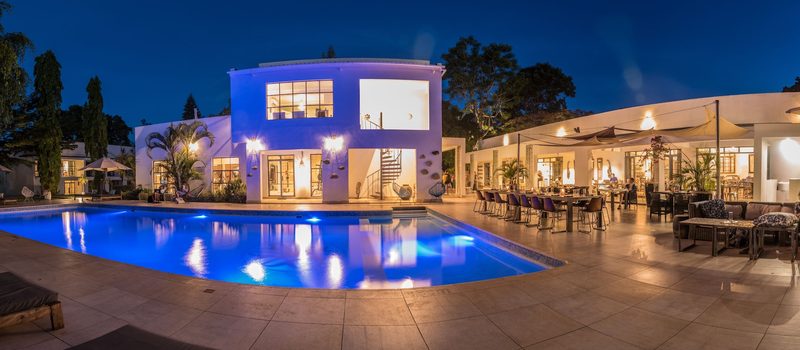
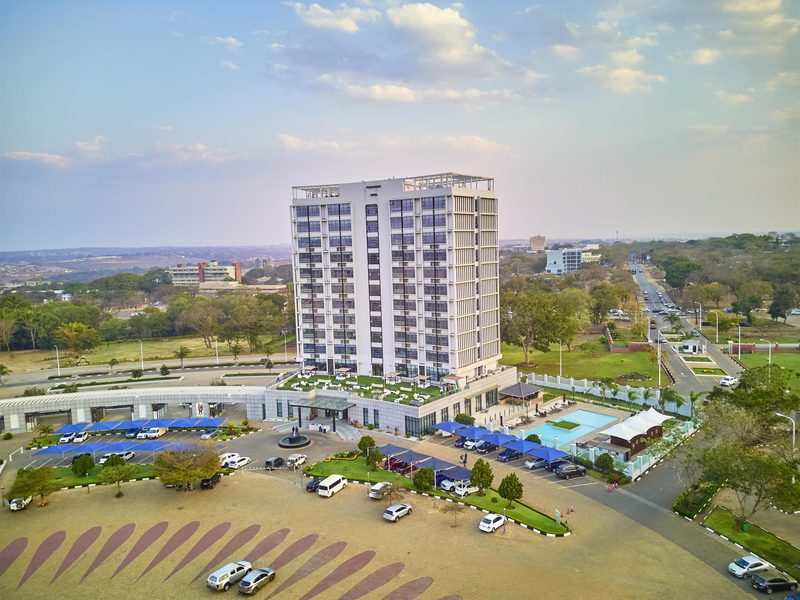
Where to Stay in Lilongwe in March
Hand-picked hotels across price tiers for March travellers.
Public Holidays in March
Dates that affect opening hours, transport and crowds
Martyrs' Day
Observed nationwide as a public holiday.
Good Friday
Observed nationwide as a public holiday.
Easter Monday
Observed nationwide as a public holiday.
Martyrs' Day
Observed nationwide as a public holiday.
Packing Checklist
Bookmark this page — your progress is saved between visits
Need the full list with shopping links?
Climate-specific gear, brand recommendations, and what to leave at home.
View Lilongwe Packing List →Essential Tips
Insider knowledge and common pitfalls to avoid
Insider Knowledge
Lilongwe's two halves, Old Town to the south and the planned City Centre to the north, are separated by the Nature Sanctuary. First-time visitors routinely waste an afternoon trying to walk between them before realising it is a 7 km (4.3 mile) stretch with no direct pedestrian route through the reserve. A minibus or taxi between the two takes fifteen minutes. This is how every resident does it.
ATMs in Area 18 and Old Town can and do run dry. This tends to happen in the last week of the month when government salaries hit. Carry enough Malawian kwacha in smaller denominations for two to three days of expenses at all times. Never rely on a single bank's machines.
The Old Town market is best on Saturday mornings when the full weekly vendors set up. The weekday selection is maybe a third of what you see at the weekend. The atmosphere shifts from transactional to social as families turn out. Arrive by 7 AM for the coolest air and the widest selection. The stalls start thinning around midday.
Area 47, Lilongwe's nightlife strip, comes alive on Friday and Saturday nights with live music from local bands and DJs in open-air bars. The smell of grilled goat from street-side braziers mingles with bass from competing sound systems. March evenings are warm enough to make the outdoor venues comfortable. If rain pushes the crowd indoors, the covered spots fill with an energy that dry-season tourist bars in the City Centre never match. For evening food, the cluster of restaurants along the road between Area 18 and City Centre serves the best grilled chambo, Lake Malawi's prized tilapia, in the capital.
Avoid These Mistakes
Do not skip malaria prophylaxis because Lilongwe feels like a city and not the bush. The central plateau's altitude does not eliminate the risk. March is the single worst month for mosquito-borne transmission in this part of Malawi. This mistake has consequences beyond inconvenience. Take your pills.
Avoid scheduling outdoor excursions for the afternoon. The rain window between roughly 2 PM and 5 PM is consistent enough in March that planning a Nature Sanctuary walk or market visit after lunch means getting soaked. You will end up stranded under a tin awning for an hour. Front-load your day. Mornings in Lilongwe are typically clear, warm, and the light is at its best for photography.
Never assume you can pay with card everywhere. Card acceptance has improved in City Centre hotels and a handful of restaurants in Area 18. The Old Town market, minibuses, and any vendor outside the commercial core operate on cash only. Visa and Mastercard work at major bank ATMs. Plan for gaps. Always carry a reserve of smaller notes.
Ready to plan your trip to Lilongwe?
Now that you've got the research covered, here's where to go next.
Explore More Activities in Lilongwe
Didn't see anything interesting yet?
Browse Viator's full catalog of tours, day trips, food experiences, and private guides in Lilongwe.
See All Lilongwe Tours on Viator